Common Signs of a Bad Motorcycle Battery A Comprehensive Guide
A motorcycle battery, the silent workhorse behind your ride, is crucial for starting your engine. Understanding the telltale signs of a failing battery is essential for preventing frustrating breakdowns and costly repairs. This guide provides a comprehensive overview, covering various aspects from physical condition to charging system issues, empowering you to diagnose and address battery problems proactively.
This detailed analysis explores the common symptoms of a failing motorcycle battery. We'll examine visual cues, electrical measurements, and potential connection problems. Understanding these indicators can help you determine if your battery is nearing the end of its life, or if another component is at fault. Furthermore, we will address crucial maintenance steps, including checking fluid levels and addressing charging system issues.
Battery Physical Condition
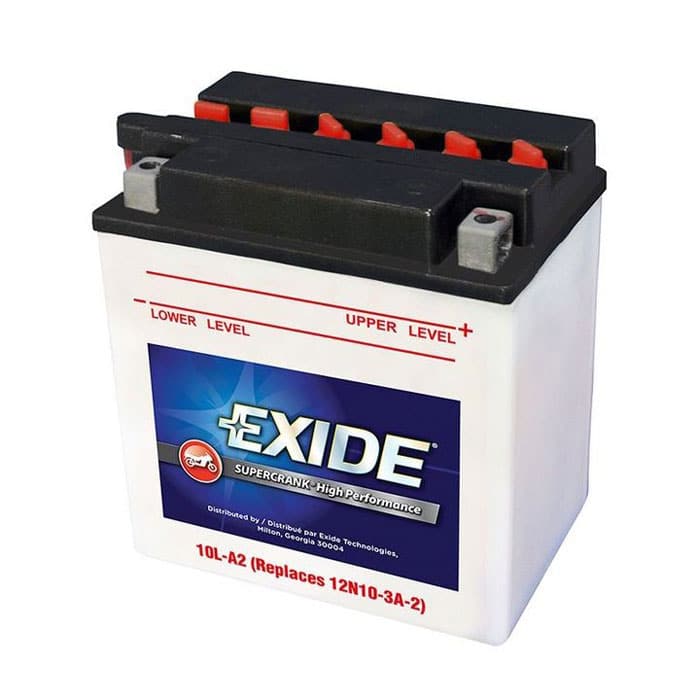
A motorcycle battery's physical condition can often be a strong indicator of its overall health. Visual inspection is a crucial first step in diagnosing potential issues. This involves looking for signs of damage, corrosion, or other abnormalities that can signal an ailing battery.Inspecting the physical state of your motorcycle battery is an essential part of preventive maintenance. Early detection of problems can prevent more serious and costly issues down the road.
By understanding the visual cues, you can proactively address battery problems before they lead to complete failure.
Visual Inspection of the Battery Case
Visual inspection of the battery case is the first step in assessing its condition. Identifying potential problems early can prevent more serious issues and save you time and money. Examine the case for any abnormalities or damage.
| Symptom | Description | Severity Level |
|---|---|---|
| Corrosion | A whitish or greenish coating on the battery terminals or case. This can be accompanied by a powdery or flaky substance. | Moderate to Severe. Significant corrosion can hinder electrical conductivity, potentially leading to poor performance or complete failure. |
| Bulging or Swelling | The battery case shows outward swelling or bulging, indicating internal pressure buildup. This is often a symptom of internal damage and should be treated immediately. | Severe. A bulging battery is a serious indication of internal problems and potentially dangerous. Immediate replacement is recommended. |
| Cracked or Fractured Case | The battery case exhibits cracks, fractures, or other structural damage. This could expose dangerous chemicals and compromise the battery's integrity. | Severe. A cracked battery should not be used. Immediate replacement is necessary to prevent potential hazards. |
| Deformed or Warped Case | The battery case shows signs of warping, deformation, or significant dents. This can indicate damage to the internal components or structural weakness. | Moderate to Severe. A deformed case may indicate internal damage and should be examined further. The battery may not perform optimally. |
| Loose or Missing Battery Components | The battery is missing any component that it should have, such as mounting hardware or caps. This may affect the battery's stability and safety. | Moderate. A loose or missing component is an indication of a possible installation error or damage. If not resolved, it may compromise safety or lead to other problems. |
Inspection of Terminals and Cables
Thorough inspection of the battery terminals and cables is crucial to identify potential problems. Corrosion on these parts can significantly impact electrical conductivity, reducing the battery's ability to power the motorcycle.
- Corrosion on Terminals: Examine the battery terminals for signs of corrosion. Corrosion is indicated by a whitish or greenish coating on the terminals. This coating can hinder the flow of electricity.
- Damaged Cables: Check the battery cables for any signs of damage, such as fraying, cracks, or exposed wires. These issues can lead to poor electrical connections and reduced performance. Look for any breaks or damage that compromises the cable's integrity. Even minor damage can cause problems.
- Loose Connections: Verify that the battery cables are securely attached to the terminals. Loose connections can lead to intermittent electrical issues and reduced performance. Ensure all connections are tight and secure.
Identifying Physical Damage
A visual inspection of the battery is essential to detect any physical damage. This includes examining the case, terminals, and cables for signs of wear and tear.
- Visual Inspection: Carefully examine the battery for any visible signs of damage, such as cracks, bulges, dents, or corrosion. Pay close attention to the case, terminals, and cables. Any abnormality should be noted.
Battery Voltage and Capacity
A motorcycle battery's health is crucial for reliable starting. Understanding voltage and capacity readings is essential for diagnosing potential issues and maintaining optimal performance. A healthy battery will consistently deliver the necessary power to crank the engine, while a failing battery may struggle, potentially leading to frustrating starting problems.Proper testing methods can accurately assess the battery's condition. This section will Artikel the procedures for measuring voltage and capacity, providing a clear comparison between a healthy and a failing battery.
This information allows riders to proactively address potential battery problems and prevent costly repairs.
Measuring Battery Voltage
Accurate voltage measurement is a fundamental step in assessing a battery's condition. A multimeter is the preferred tool for this task. Ensure the multimeter is set to the appropriate DC voltage range (typically 20 volts or higher). Connect the red lead to the positive (+) terminal of the battery and the black lead to the negative (-) terminal.
The reading displayed on the multimeter will be the battery's voltage.
Typical Voltage Readings for a Healthy Battery
A healthy motorcycle battery, when fully charged, typically displays a voltage reading between 12.5 and 12.8 volts. Readings below this range may indicate a failing battery.
Testing Cranking Power with a Load Tester
A load tester simulates the electrical demands of starting the motorcycle. This is more comprehensive than simply measuring voltage. Connect the load tester according to the manufacturer's instructions. The load tester will draw a specific current from the battery while the motorcycle's starter motor is engaged. A healthy battery will maintain a voltage above a minimum threshold, even under load.
A failing battery will exhibit a significant voltage drop.
Checking Battery Capacity
Battery capacity, often measured in Amp-hours (Ah), determines how long the battery can deliver a specific current. A low capacity battery might struggle to power the starter motor, especially in cold weather. Testing battery capacity requires specialized equipment and procedures. This is usually done by a technician using specific load testing equipment. The capacity value is crucial in determining how long the battery will support the engine's starting current.
Comparing Healthy and Failing Battery Voltage Readings
A healthy battery will maintain a voltage close to 12.6 volts under normal conditions and during cranking. Conversely, a failing battery will exhibit a lower voltage, especially during cranking, possibly dropping significantly below 12 volts. This drop in voltage is a strong indicator of a problem.
Voltage Readings and Battery Conditions
| Voltage Reading (Volts) | Battery Condition |
|---|---|
| 12.6 - 12.8 | Healthy, fully charged |
| 12.5 - 12.6 | Healthy, slightly discharged |
| 11.8 - 12.4 | Potentially weak, requiring further testing |
| Below 11.8 | Weak or failing; needs replacement |
Note: These are general guidelines. Always consult your motorcycle's owner's manual for specific voltage thresholds and consult a qualified technician for accurate diagnosis.
Battery Terminal and Connection Issues
Proper battery terminal connections are critical for reliable motorcycle starting. Neglecting these connections can lead to significant performance issues and even battery damage. This section details common problems, their impact, and how to ensure a robust and secure connection.Incorrect or damaged connections can hinder the flow of electrical current to the motorcycle's systems, impacting starting ability. Corrosion, for example, acts as an electrical insulator, reducing current flow and ultimately causing a weak or unreliable start.
Common Problems with Battery Terminals and Connections
Loose connections, corrosion, and incorrect polarity are common issues affecting battery performance. These issues can lead to decreased starting power and even battery damage. Maintaining clean and secure connections is essential for optimal motorcycle operation.
Importance of Clean and Secure Connections
A clean and secure connection is vital for efficient current flow. A properly connected battery ensures the motorcycle receives the necessary power for reliable starting and overall operation. Dirt, corrosion, and loose connections impede current flow, reducing the battery's effectiveness and potentially leading to premature battery failure.
Impact of Loose or Corroded Terminals on Starting Ability
Loose or corroded terminals significantly affect the motorcycle's starting ability. Corrosion acts as an electrical insulator, reducing current flow to the engine. Loose connections cause intermittent current flow, leading to inconsistent starting or no starting at all. These issues can range from a sluggish start to a complete failure to crank.
Cleaning Battery Terminals and Connections
Proper cleaning of battery terminals and connections is essential for maintaining a reliable electrical system. A buildup of corrosion or dirt can prevent optimal current flow, impacting the motorcycle's performance.
- Visual Inspection: First, carefully inspect the terminals for any signs of corrosion, looseness, or damage. Look for a whitish-grey powdery substance or greenish/brownish corrosion around the terminals and clamps.
- Gather Supplies: Gather the necessary tools and supplies, including a wire brush, a battery terminal cleaner, and a wrench or pliers to tighten the connections. Distilled water can also be useful for rinsing the connections.
- Disconnect the Battery: Before working on the battery, always disconnect the negative (-) terminal first, then the positive (+). This precaution prevents accidental short circuits.
- Cleaning the Terminals: Use the wire brush to scrub away any corrosion from the terminals. A battery terminal cleaner can accelerate the removal of corrosion. Ensure the terminals are thoroughly cleaned to expose the bright metal underneath.
- Thorough Rinse: Rinse the terminals with distilled water to remove any remaining debris or cleaner residue.
- Drying the Terminals: Allow the terminals to dry completely. Using a clean cloth or paper towel, wipe them dry. Ensure they are completely dry before making connections.
- Tightening Connections: Use the appropriate wrench or pliers to tighten the battery terminal clamps. Make sure the connections are secure, but avoid over-tightening, which could damage the terminals.
- Reconnect the Battery: Reconnect the positive (+) terminal first, then the negative (-). Ensure the terminals are fully seated in the clamps.
Step-by-Step Guide to Ensuring a Proper Connection
This step-by-step guide details the process for ensuring a reliable battery connection. Proper connection ensures optimal current flow and motorcycle operation.
| Step | Action | Tools Needed |
|---|---|---|
| 1 | Disconnect negative (-) terminal first | None |
| 2 | Inspect terminals for corrosion | None |
| 3 | Gather cleaning supplies (wire brush, cleaner, water) | Wire brush, battery terminal cleaner, distilled water |
| 4 | Clean terminals with wire brush | Wire brush |
| 5 | Rinse terminals with distilled water | Distilled water |
| 6 | Dry terminals completely | Clean cloth/paper towel |
| 7 | Tighten terminal clamps with appropriate wrench | Wrench/pliers |
| 8 | Reconnect positive (+) terminal | None |
| 9 | Reconnect negative (-) terminal | None |
Appropriate Tools for Cleaning and Tightening Battery Connections
Using the correct tools ensures efficient and safe cleaning and tightening of battery connections. Improper tools can damage terminals or create further issues.
Battery Fluid Level and Condition

Maintaining the proper electrolyte level and condition of a motorcycle battery is crucial for its long-term performance and reliability. A well-maintained battery with the correct fluid level and specific gravity ensures optimal charging and discharging cycles, preventing premature failure. Ignoring these aspects can lead to significant issues, including reduced capacity, sulfation, and eventual battery failure.Properly maintaining the electrolyte level involves regular checks and, if necessary, topping off with distilled water.
Sulfation, a common issue in neglected batteries, reduces the battery's ability to hold a charge. Identifying and addressing these issues early on can prevent costly replacements.
Checking Electrolyte Level in Maintenance-Type Batteries
Maintenance-type batteries require periodic checks of the electrolyte level and specific gravity. This process is essential to ensure the battery's proper functioning and longevity. Incorrect levels can lead to reduced performance and premature failure.
Signs of Low Electrolyte Level or Sulfation
Several signs can indicate a low electrolyte level or sulfation. These include visible bulging or cracks in the battery case, reduced voltage readings, and the formation of white, powdery deposits on the battery plates. Such signs indicate potential damage and require immediate attention. Additionally, the battery may exhibit a sluggish performance or fail to start the motorcycle.
Importance of Correct Electrolyte Level and Specific Gravity
Maintaining the correct electrolyte level and specific gravity is paramount for optimal battery performance. The electrolyte solution, a mixture of sulfuric acid and water, must be within the recommended range. Deviations from this range can compromise the battery's ability to store and release electrical energy effectively, potentially leading to corrosion and damage. The proper specific gravity ensures that the battery can deliver the necessary current during start-up and operation.
Topping Off the Battery with Distilled Water (if applicable)
Topping off a maintenance-type battery with distilled water is a crucial maintenance task. Use only distilled water, as tap water contains minerals that can contaminate the electrolyte and damage the battery. Carefully add the distilled water to the battery cells, ensuring the level is within the specified range for each cell. Overfilling the battery is as detrimental as underfilling it.
Incorrect levels can compromise the battery's ability to store and release electrical energy effectively, potentially leading to corrosion and damage.
Correct Electrolyte Level for Different Battery Types
The correct electrolyte level varies depending on the specific battery type. A table below provides a general guideline, but always consult the manufacturer's specifications for your particular battery model.
| Battery Type | Electrolyte Level (approximate) |
|---|---|
| 12V 20AH | Approximately 1.5 liters |
| 12V 30AH | Approximately 2 liters |
| 12V 40AH | Approximately 2.5 liters |
Signs of Battery Acid Leakage and Proper Response
Battery acid leakage is a serious issue. It can cause significant damage to the motorcycle's electrical system and surrounding components. Signs of leakage include visible corrosive residue around the battery terminals or case, a pungent odor of sulfuric acid, and potential discoloration of surfaces. If acid leakage is detected, immediately disconnect the battery terminals and contact a qualified mechanic for proper handling and repair.
Improper handling of battery acid can cause severe burns or other health problems. Always wear appropriate safety gear, such as gloves and eye protection, when working with batteries.
Charging System Issues
A motorcycle's charging system is crucial for maintaining a healthy battery. A malfunctioning charging system can prevent the battery from receiving the necessary power to replenish its charge, leading to gradual deterioration and eventual failure. Understanding the signs of a failing charging system can help you address the problem promptly and prevent costly battery replacements.
Charging System Problems and Battery Failure
A faulty charging system directly impacts the motorcycle battery. Insufficient charging current prevents the battery from replenishing its stored energy. This depletion leads to a gradual decrease in battery capacity and eventual failure. Consistent undercharging can cause the battery to lose its ability to hold a charge, making it increasingly difficult to start the motorcycle.
Signs of a Malfunctioning Charging System
Several indicators point to a problem with the motorcycle's charging system. These signs often manifest as issues directly affecting the battery's performance.
- Dim or flickering headlight: A weakened charging system often results in a decrease in electrical output, causing the headlight to dim or flicker. This is a common early warning sign of a charging problem.
- Battery drain: If the battery is draining more quickly than usual, even when the motorcycle isn't in use, it's a clear sign of a charging system malfunction. The charging system may not be providing sufficient power to replenish the battery's charge.
- Difficulty in starting: If the motorcycle becomes increasingly difficult to start, even with a seemingly fully charged battery, it could indicate a charging system issue. The battery may not be receiving enough charge to maintain its optimal voltage for reliable starting.
- Overheating of the alternator or regulator: An overheated alternator or regulator is a strong indicator of a malfunctioning charging system. The excessive heat may be due to a short circuit or other electrical issues within the system. This can also result in the failure of the charging system components.
Faulty Regulator or Rectifier
The regulator and rectifier are critical components of the charging system. They control the voltage and current delivered to the battery. A faulty regulator or rectifier can prevent the battery from receiving the correct charge, leading to issues such as undercharging, overcharging, or even complete failure to charge.
- Undercharging: A faulty regulator or rectifier may not regulate the voltage correctly, resulting in insufficient charging current. The battery will not receive the proper charge, leading to a weak or discharged battery.
- Overcharging: In some cases, a faulty regulator may not control the voltage properly, resulting in overcharging. This can damage the battery and other components in the charging system.
- Battery overheating: Both undercharging and overcharging can lead to battery overheating. This is a serious concern that should be addressed immediately.
Symptoms of a Faulty Alternator or Generator
The alternator or generator is the primary component responsible for producing electricity. Problems with this component directly affect the battery's charging.
- Electrical system failures: A malfunctioning alternator or generator can lead to various electrical system issues. The bike's lights may not function properly, or other electrical components may experience problems.
- Weak or no charging: A failing alternator may not produce enough electricity to charge the battery adequately. This will result in a gradually depleted battery.
- Unusual noises: Some alternators or generators may produce unusual noises when they are malfunctioning. These noises can range from whining to grinding. Paying attention to these unusual sounds can be a helpful diagnostic step.
Importance of Checking Charging System Output
Regularly checking the charging system's output is essential to maintain a healthy motorcycle battery. A multimeter can be used to measure the voltage output of the charging system. The output should be within the manufacturer's specifications.
Diagnosing Charging System Problems
The following steps Artikel a systematic approach to diagnosing charging system problems.
| Step | Action |
|---|---|
| 1 | Inspect the battery terminals and connections for corrosion or loose connections. |
| 2 | Check the battery voltage. |
| 3 | Measure the charging system output voltage at the battery terminals. |
| 4 | If the output voltage is low, check the regulator and rectifier for damage or faults. |
| 5 | If the output voltage is normal, inspect the alternator or generator for damage or problems. |
Other Potential Causes

Motorcycle battery failure can stem from a variety of factors beyond the obvious. Understanding these less common causes can lead to faster and more accurate diagnoses, saving you time and money. Parasitic drains, faulty wiring, and even a damaged battery case can all contribute to a failing battery, even if other checks seem normal.Beyond the typical issues of physical condition, voltage, and charging, other factors can significantly impact a motorcycle battery's performance and longevity.
Identifying and addressing these less apparent problems can be crucial in ensuring your motorcycle's reliable operation.
Parasitic Drain
Parasitic drain occurs when electrical devices or components continue to draw power even when the motorcycle is off. This continuous drain can significantly shorten the battery's lifespan, eventually rendering it unusable. This drain can be caused by faulty wiring, improperly installed accessories, or even a malfunctioning electrical component. A consistent drain will gradually reduce the battery's charge, even with no apparent usage.
Identifying the source of this drain is essential for preserving the battery's functionality.
Identifying and Fixing Parasitic Drain Issues
A common technique to detect parasitic drain is a load test. This involves using a multimeter to measure the voltage drop across the battery terminals when the motorcycle is off. A significant voltage drop, even with no visible accessories or components operating, suggests a parasitic drain.
A load tester can be used to measure the current drawn by various components when the motorcycle is off, aiding in the isolation of the parasitic drain.
To pinpoint the source, methodically disconnect various accessories and components one at a time while monitoring the voltage. If the voltage increases, the disconnected item was likely contributing to the parasitic drain.
Faulty Wiring
Faulty wiring can lead to electrical shorts or intermittent connections, resulting in a drain on the battery's power. Corrosion, breaks, or poor connections in the wiring harness can cause a significant issue, and this is often an overlooked cause of a failing battery. Regular inspection and troubleshooting are necessary to maintain a healthy electrical system.
Checking and Fixing Damaged Wiring
Carefully inspect all wiring connections for corrosion, exposed wires, or loose terminals. Use appropriate tools to ensure a secure and proper connection. If a wire is broken, replace it with a wire of the correct gauge.
Regular inspection of wiring, especially in areas prone to moisture or vibration, is crucial for preventing premature failure.
Damaged Battery Case
A damaged battery case can compromise the battery's ability to retain the electrolyte. Cracks, punctures, or warping can lead to electrolyte leakage, causing damage to the motorcycle's electrical system. This issue is often overlooked but can have a severe impact on the battery's performance. Regular inspection of the battery case is recommended to identify potential problems early.
End of Discussion

In conclusion, identifying the common signs of a failing motorcycle battery empowers you to maintain your vehicle's optimal performance. By meticulously inspecting the battery's physical condition, voltage, terminals, fluid levels, and the charging system, you can proactively address potential issues. Remember, early detection is key to preventing costly repairs and ensuring your motorcycle remains a reliable and enjoyable mode of transport.

Post a Comment for "Common Signs of a Bad Motorcycle Battery A Comprehensive Guide"
Post a Comment