Essential Motorcycle Pre-Ride Safety Check A Comprehensive Guide
Ensuring your motorcycle is road-ready is paramount to a safe and enjoyable ride. A comprehensive pre-ride safety check, encompassing visual inspections, mechanical checks, and safety equipment evaluations, is a crucial step that can prevent potential hazards and maintain your motorcycle's optimal performance. By diligently following this guide, you can minimize risks and maximize your riding experience.
This guide delves into the essential elements of a thorough pre-ride inspection. From meticulously inspecting tires and brakes to evaluating your safety gear and considering environmental factors, every detail is crucial. This comprehensive approach will equip you with the knowledge and procedures to perform a safe and effective pre-ride check, minimizing potential issues and ensuring a secure journey.
Pre-Ride Inspection Checklist
A thorough pre-ride inspection is crucial for ensuring the safety and reliability of your motorcycle. This meticulous check minimizes the risk of unexpected mechanical failures and enhances your overall riding experience. Ignoring potential problems before departure can lead to costly repairs, accidents, or even injury. Proactive maintenance, as demonstrated by a comprehensive pre-ride inspection, is paramount to responsible motorcycle operation.
Engine and Electrical Systems
Prior to each ride, scrutinizing the engine and electrical systems is essential. A faulty electrical component or a minor engine issue can quickly escalate into a major problem on the road. Proper checks prevent these issues from developing into serious concerns.
| Item | Condition to Check | Action if Needed |
|---|---|---|
| Engine oil level | Ensure the oil level is within the designated range on the dipstick. | Top up to the appropriate level using the correct type of oil. |
| Coolant level | Verify the coolant level is within the reservoir's range. | Top up to the appropriate level with specified coolant. |
| Battery terminals | Inspect for corrosion and ensure tight connections. | Clean corrosion with a wire brush and tighten connections. Replace the battery if significantly corroded. |
| Lights (headlights, taillights, turn signals) | Verify all lights are functioning correctly. | Replace any burnt-out bulbs promptly. |
| Wiring harness | Check for any visible damage or frayed wires. | Repair or replace any damaged wiring immediately. |
| Fuel level | Confirm sufficient fuel to complete the planned trip. | Refuel if needed before departing. |
Tires and Suspension
Regular tire and suspension checks are vital for maintaining stability and control. Proper tire pressure and condition directly influence handling and braking performance. Improper suspension can lead to a loss of control and a hazardous situation.
| Item | Condition to Check | Action if Needed |
|---|---|---|
| Tire pressure | Ensure pressure matches the manufacturer's recommendations. | Inflate tires to the correct pressure. |
| Tire tread depth | Check for sufficient tread depth. Use a tread depth gauge. | Replace tires if tread depth is below the legal limit. |
| Tire condition | Inspect for any cuts, bulges, or other damage. | Repair or replace damaged tires. |
| Suspension components | Examine suspension components for any signs of wear or damage. | Have suspension components inspected by a qualified mechanic if needed. |
Brakes and Wheels
Thorough brake and wheel inspections ensure responsive stopping power and prevent accidents. Adequate braking power is essential for maintaining control. Inspecting wheels for damage helps to avoid unexpected incidents.
| Item | Condition to Check | Action if Needed |
|---|---|---|
| Brake pads | Inspect brake pads for sufficient thickness. | Replace brake pads if thickness is insufficient. |
| Brake fluid level | Verify brake fluid level in the reservoir. | Top up brake fluid if needed. |
| Wheel bearings | Listen for any unusual noises or play in the wheel bearings. | Inspect and repair or replace damaged wheel bearings. |
| Wheel integrity | Check for cracks, damage, or loose spokes. | Repair or replace any damaged wheel parts. |
Visual Inspection Procedures
A crucial aspect of pre-ride safety is a thorough visual inspection. This proactive step allows you to identify potential issues before they escalate into more serious problems, minimizing risks and ensuring a safe ride. Visual inspections should be performed systematically, covering all key components.Proper visual inspection involves carefully examining all visible parts of your motorcycle for any signs of damage, wear, or malfunction.
This methodical approach helps you pinpoint problems early, preventing costly repairs or accidents.
Tire Inspection
Visual inspection of tires is essential to ensure optimal performance and safety. Tires play a critical role in handling, stability, and braking. Inspecting them for wear, damage, and proper inflation is vital.
- Check tread depth: Use a tread depth gauge or a penny test to evaluate tread depth across the entire tire. Sufficient tread depth is crucial for proper traction and water dispersion. Adequate tread depth, generally exceeding 2/32 of an inch, ensures reliable grip. Insufficient tread depth can lead to loss of control and skidding.
- Examine sidewalls: Inspect the sidewalls for cuts, bulges, or any signs of damage. These issues can compromise the structural integrity of the tire. Bulges or cuts can indicate internal damage, necessitating immediate replacement.
- Assess tire pressure: Verify the tire pressure using a reliable pressure gauge. Ensure the pressure matches the manufacturer's recommended specifications for your motorcycle. Proper tire pressure is essential for handling and fuel efficiency. Low pressure can result in reduced traction, while excessive pressure can compromise comfort and potentially lead to premature tire wear.
Brake Inspection
Visual inspection of the braking system is critical to ensure its functionality. Brakes are paramount for safety and require careful attention.
- Check brake pads: Examine the brake pads for wear. Adequate brake pad thickness is essential for effective braking. Low pad thickness indicates a need for replacement. Look for uneven wear or any visible damage. Insufficient brake pad thickness leads to poor braking performance and potential brake failure.
- Inspect brake lines: Look for any cracks, leaks, or kinks in the brake lines. These issues can compromise the integrity of the braking system. A leak can indicate a potential hydraulic failure. A kinked line can restrict fluid flow, reducing brake efficiency.
- Inspect brake rotors: Look for warping, grooves, or excessive scoring on the brake rotors. These issues can affect braking performance and lead to potential failure. Inspect rotors for uneven wear or damage that could compromise stopping power.
Fluid Inspection
Proper fluid levels are vital for the motorcycle's operation and safety.
- Check engine oil level: Inspect the engine oil level using the dipstick. Ensure the oil level is within the specified range indicated by the manufacturer. Low oil levels can lead to engine damage. High oil levels may also cause problems.
- Inspect coolant level: Check the coolant level in the reservoir. The level should be within the specified range. Insufficient coolant can lead to overheating, potentially damaging the engine. Excessive coolant can cause other issues.
- Examine brake fluid level: Inspect the brake fluid level in the reservoir. Ensure the level is within the specified range. Low brake fluid levels can lead to reduced braking power. Inspect for any signs of contamination or discoloration.
Visual Inspection Procedures Summary
| Item | Specific Check | Expected Condition | Potential Problem |
|---|---|---|---|
| Tires | Tread depth, sidewall damage, pressure | Adequate tread depth, no cuts or bulges, correct pressure | Low tread, cuts, bulges, incorrect pressure |
| Brakes | Brake pads thickness, brake lines, rotors | Adequate pad thickness, no damage to lines, smooth rotors | Low pad thickness, cracks in lines, warped rotors |
| Fluids | Engine oil, coolant, brake fluid levels | Within recommended range, clear and free of contamination | Low levels, contamination, discoloration |
Mechanical Checks and Adjustments

Thorough mechanical checks are crucial for ensuring the safe and reliable operation of your motorcycle. Properly functioning brakes, a well-maintained chain, and adequately lubricated components all contribute to a safe and enjoyable ride. This section details the essential mechanical checks, procedures, and expected results for optimal motorcycle performance and rider safety.
Brake System Inspection
The brake system is paramount to rider safety. Regular inspection and adjustment are vital to ensure responsiveness and stopping power.
- Visual inspection of brake pads for wear. Adequate brake pad thickness is essential for effective stopping. Pads that are excessively worn, thinner than the recommended minimum, or show significant cracking necessitate replacement.
- Checking brake fluid levels. Low brake fluid levels indicate a potential leak, requiring immediate attention. Ensure the fluid level is within the reservoir's marked range. A leak in the brake lines requires professional repair.
- Testing brake lever feel. A firm, consistent lever feel indicates proper brake function. A spongy or unresponsive lever suggests a potential problem in the hydraulic system, requiring professional inspection.
- Inspecting brake lines for kinks or damage. Damaged brake lines can compromise braking performance and should be replaced promptly. Inspect the lines for any signs of corrosion, cuts, or bulges.
Chain and Sprocket Inspection
A well-maintained chain and sprockets are essential for smooth and reliable shifting. Ignoring chain maintenance can lead to reduced performance, increased wear on other components, and potentially dangerous situations.
- Checking chain tension. Proper chain tension is crucial for optimal performance and longevity. Incorrect tension can cause the chain to skip, creating a dangerous situation. Use the manufacturer's recommended procedure for adjusting chain tension.
- Inspecting chain condition. Visual inspection of the chain for wear, damage, or excessive stretching is necessary. Note any signs of corrosion, damage, or excessive wear.
- Lubricating the chain. Proper lubrication prevents friction and wear on the chain and sprockets. Use a quality motorcycle chain lubricant, applying it regularly to maintain the chain's optimal condition. Insufficient lubrication can lead to increased wear and tear, requiring frequent replacements.
Lubrication and Maintenance
Proper lubrication and regular maintenance of critical components like the engine, transmission, and steering are essential for the motorcycle's long-term health and performance. Failure to maintain these components can lead to premature wear, reduced performance, and potential malfunctions.
- Checking engine oil level and condition. Low oil levels can lead to engine damage. Verify the oil level is within the specified range, and check for unusual color or consistency that might indicate contamination or deterioration.
- Inspecting other fluids (e.g., transmission, coolant). Fluid levels should be checked regularly to prevent potential issues. Low levels may require replenishment, while unusual color or consistency might indicate problems needing professional attention.
- Inspecting all moving parts for proper function. Examine moving parts like bearings, hinges, and clamps to ensure they operate smoothly. Squeaking or grinding sounds might indicate the need for lubrication or replacement.
Mechanical Checks and Adjustments Summary Table
| Component | Check Procedure | Expected Results |
|---|---|---|
| Brake Pads | Visually inspect for wear and cracking. Measure thickness against manufacturer's minimum | Pads with sufficient thickness, free from cracking. |
| Brake Fluid | Check level in reservoir. | Fluid level within the specified range. |
| Brake Lines | Inspect for kinks, damage, corrosion. | Lines free from damage. |
| Chain Tension | Adjust using manufacturer's procedure. | Chain tension meets manufacturer's specifications. |
| Chain Condition | Visually inspect for wear, damage, and stretching. | Chain free from excessive wear, damage, and stretching. |
| Engine Oil | Check level and condition. | Oil level within the specified range; clear and free of contaminants. |
Safety Equipment Checks
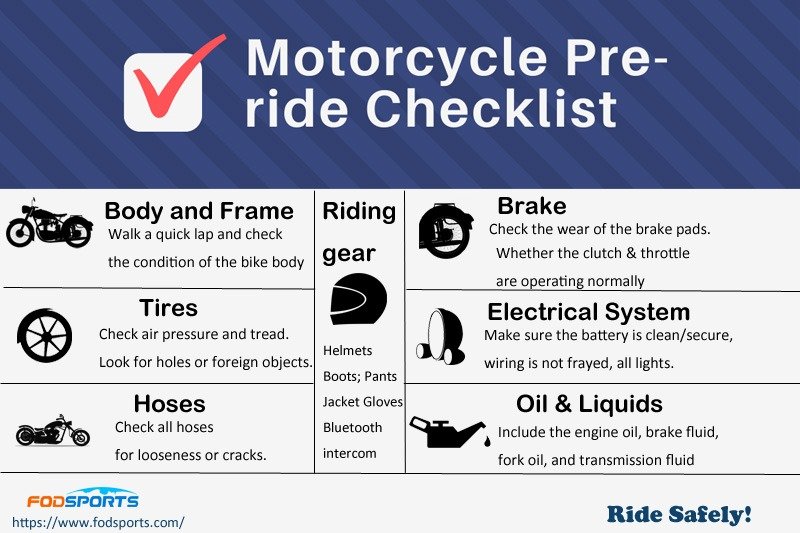
Thorough inspection of safety equipment is paramount to ensuring rider safety and minimizing potential risks on the road. Proper functioning and fit are critical for effective protection in the event of an accident. This section details how to meticulously inspect each piece of safety gear, emphasizing the importance of each component.
Helmet Inspection
Helmet integrity is crucial for head protection. A damaged helmet compromises its protective capabilities. Visual inspection for cracks, dents, or any signs of impact damage is essential. Examine the helmet's lining for wear or deterioration, which could affect its cushioning and comfort. Verify the retention system (chin strap, buckles) is secure and functional, ensuring a snug fit that doesn't compromise safety.
Jacket and Apparel Inspection
Rider apparel plays a vital role in mitigating injuries. Inspect motorcycle jackets for tears, rips, or any damage to the protective layers. Check for proper closure of zippers, buckles, and fastenings. Ensure the jacket's seams are intact, especially in areas prone to abrasion. This assessment should also encompass any protective inserts or armor to verify their proper placement and condition.
Proper Functioning of Safety Equipment
Ensuring the proper functionality of safety equipment is equally important as its visual inspection. Verify the helmet's visor clarity and ensure it can be properly adjusted and locked. Test the functioning of the jacket's reflective elements. Examine the proper functioning of all buckles, zippers, and closures. Thoroughly check the safety gear for any signs of wear or tear, especially areas prone to abrasion.
Safety Equipment Checklist
A comprehensive checklist ensures you cover all essential aspects of safety gear.
| Equipment | Inspection Criteria |
|---|---|
| Helmet | Visual inspection for cracks, dents, or damage; proper functioning of visor, retention system; check lining for wear and tear. |
| Jacket | Check for tears, rips, or damage to protective layers; ensure zippers, buckles, and closures are secure and functioning correctly; inspect seams for integrity, especially in abrasion-prone areas; verify protective inserts or armor are in place and undamaged. |
| Gloves | Examine for tears, cuts, or holes; check for proper grip and dexterity; ensure closure systems (wrist straps, etc.) are functioning. |
| Boots | Inspect for cracks, tears, or damage; ensure proper ankle support; check for secure closure mechanisms. |
| Eyewear (Goggles/Face Shield) | Check for damage or scratches; verify proper fit and functionality; ensure the eyewear's lenses are clean and clear. |
| Back Protector | Ensure the back protector is securely attached and in good condition; check for any signs of damage or wear and tear. |
| Other Protective Gear | Assess any other protective gear (e.g., knee guards, elbow pads) for proper fitting, functionality, and any signs of damage. |
Importance of Helmet Fit
A properly fitted helmet offers optimal protection and comfort. An improperly fitted helmet can shift during a collision, compromising its protective ability. The helmet should fit snugly but not too tightly, allowing for minimal movement. A properly fitted helmet should feel secure and comfortable, with minimal pressure points. This secure fit is crucial in absorbing impact forces.
Importance of Jacket Condition
A motorcycle jacket's condition directly impacts its protective capabilities. A damaged jacket may fail to provide adequate protection in a crash. Check for tears, rips, or any damage to the jacket's protective layers, ensuring these elements remain intact. Inspect the jacket for any signs of wear or tear, particularly in areas susceptible to abrasion.
Environmental Factors
Proper pre-ride checks are not solely confined to the mechanical aspects of your motorcycle. External factors, such as weather and road conditions, significantly influence the safety and effectiveness of your pre-ride inspection. Understanding how these environmental conditions impact your motorcycle and adjusting your inspection accordingly is crucial for a safe ride.
Impact of Weather Conditions
Weather conditions play a critical role in determining the extent and nature of your pre-ride checks. Rain, extreme temperatures, and even sudden changes in weather patterns can affect the performance and safety of your motorcycle. Adjusting your inspection to these conditions helps ensure you are prepared for any potential hazards.
Impact of Road Surface Conditions
Road surface conditions, including ice, gravel, or debris, greatly affect the handling and stability of your motorcycle. A pre-ride inspection should account for the type of road surface you will be traversing. Identifying and addressing potential hazards early minimizes risks.
Modifying Pre-ride Checks Based on Environmental Factors
To effectively address environmental factors, a proactive approach is necessary. Adapting your pre-ride checks to the specific conditions will help identify potential problems and minimize risks. The following table Artikels how to modify your pre-ride checks for different environmental conditions.
| Condition | Adjustments to Pre-ride Checks | Potential Hazards |
|---|---|---|
| Rain | Thoroughly inspect for water ingress in electrical components, ensure proper functioning of lights and indicators, check for leaks or damage to the frame, and examine tires for proper tread depth and potential damage. Consider using a rain-specific checklist. | Water ingress into electrical systems, reduced visibility, increased risk of hydroplaning, potential for frame corrosion, compromised tire traction. |
| Extreme Temperatures (High) | Inspect for overheating issues, check tire pressure for potential expansion, ensure proper functioning of cooling systems (radiator, oil cooler), and carefully examine the grips and handlebars for potential damage from heat. | Overheating of engine components, tire bursts due to excessive heat, compromised grip strength. |
| Extreme Temperatures (Low) | Check for proper functioning of the battery, inspect fluids for freezing, confirm adequate lubrication, and ensure proper operation of all electrical components. | Frozen fluids, dead battery, reduced effectiveness of electrical systems, possible damage to rubber components. |
| Road Hazards (Gravel/Debris) | Thoroughly inspect tires and rims for damage, ensure proper tire pressure for grip, and examine for any debris lodged in suspension components. | Increased risk of tire damage, punctures, reduced suspension effectiveness, and potential for loss of control. |
Troubleshooting Common Issues
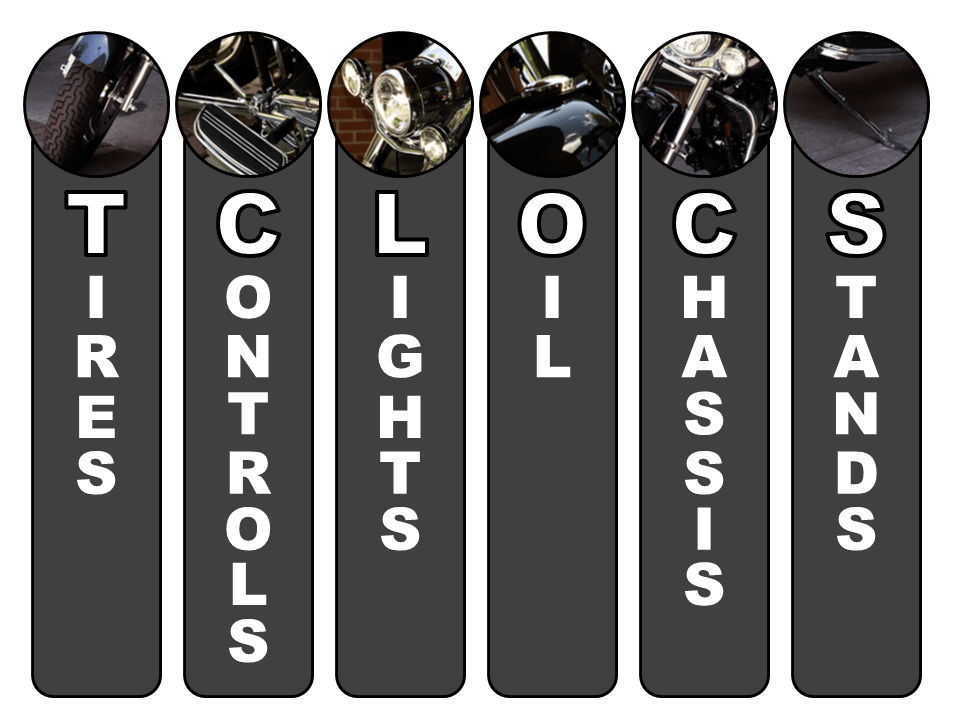
A thorough pre-ride inspection goes beyond simply confirming your motorcycle is ready to ride. It's an opportunity to identify potential problems before they escalate into costly repairs or, more critically, safety hazards. Proactive maintenance is key to enjoying safe and reliable motorcycle journeys.Understanding the common issues that can arise during a pre-ride inspection empowers you to address them promptly, preventing larger problems and ensuring your motorcycle remains a safe and dependable vehicle.
This section details common problems, their causes, symptoms, and potential solutions, emphasizing the importance of professional help when needed.
Common Motorcycle Problems
This section Artikels potential issues discoverable during a pre-ride inspection, categorizing them for clarity. Knowing the signs of these problems allows for early intervention, preventing small issues from becoming significant problems.
| Problem | Causes | Symptoms | Potential Solutions |
|---|---|---|---|
| Low tire pressure | Punctures, slow leaks, inadequate inflation | Flat or noticeably soft tires, uneven tire wear | Inflate tires to the recommended pressure, repair or replace punctured tires, address any slow leaks. |
| Fluid leaks (brake, coolant, oil) | Damaged hoses, worn seals, overfilling | Visible fluid puddles, low fluid levels in reservoirs, unusual noises | Locate the source of the leak, repair damaged components, ensure proper fluid levels, and consider professional assistance for severe leaks. |
| Malfunctioning brakes | Low brake fluid, worn brake pads, malfunctioning calipers, improper adjustments | Soft brake pedal, spongy feeling, inconsistent braking power | Check brake fluid levels, inspect brake pads for thickness, and ensure proper caliper operation; consult a mechanic for more complex issues. |
| Engine misfiring or sputtering | Dirty air filter, fuel delivery issues, spark plug problems, ignition system malfunctions | Irregular idling, rough acceleration, loss of power, and unusual noises | Clean or replace the air filter, inspect the fuel system for clogs, check spark plug condition, and consider professional diagnosis for complex issues. |
| Unusual noises | Loose components, worn bearings, damaged chains, gear problems | Clicking, grinding, squealing, rattling, or other unusual sounds | Identify the source of the noise, tighten loose components, replace worn parts, and consult a mechanic for more complex issues. |
Seeking Professional Help
While many common issues can be addressed with basic maintenance knowledge and tools, certain problems require professional intervention. A motorcycle mechanic possesses the specialized training and equipment necessary to diagnose and repair complex mechanical problems accurately.
Seeking professional help when necessary is a crucial aspect of motorcycle maintenance. This ensures the safety and longevity of your motorcycle and prevents potential hazards.
Ignoring potential issues, even seemingly minor ones, can lead to more serious problems. Professional intervention can prevent further damage and ensure the safety of the rider.
Safety Considerations and Best Practices
Prioritizing safety is paramount during any motorcycle pre-ride inspection. A thorough and attentive approach minimizes risks and ensures a safe riding experience. Understanding the importance of rider focus and awareness, along with best practices for pre-ride checks, is crucial for mitigating potential hazards.A proactive approach to pre-ride checks is vital to prevent accidents. By diligently inspecting and maintaining the motorcycle, riders can identify and address potential issues before they lead to dangerous situations on the road.
This proactive approach not only safeguards the rider but also reduces the likelihood of mechanical failures that could compromise safety for other road users.
Rider Alertness and Awareness
Maintaining a heightened state of awareness throughout the inspection process is essential. Distractions, whether internal or external, can impair judgment and lead to overlooking critical details. Concentrating fully on the task at hand allows for a more comprehensive and accurate assessment of the motorcycle's condition. This focused attention increases the probability of detecting potential problems.
Best Practices for Motorcycle Pre-Ride Checks
Safe pre-ride checks involve methodical procedures. This methodical approach ensures that all crucial components are inspected systematically. A systematic checklist helps in preventing any crucial step from being overlooked. This organized procedure is key to a thorough inspection.
Importance of Taking Breaks and Avoiding Distractions
Taking regular breaks during extended pre-ride inspections is important for maintaining focus and preventing fatigue. Fatigue can significantly impair judgment, increasing the risk of errors during the inspection process. Avoiding distractions, such as phones or loud conversations, is equally important for maintaining concentration. Consistent concentration ensures accuracy and completeness of the inspection.
Safety Tips and Recommendations
- Thorough Visual Inspection: Carefully inspect all visible components, including tires, brakes, lights, and fluids. Pay particular attention to any unusual wear or damage. This meticulous approach will ensure no critical details are missed.
- Regular Maintenance Schedule: Establish a consistent maintenance schedule to address routine upkeep, such as oil changes and filter replacements. Adhering to this schedule will help maintain the motorcycle in top condition.
- Proper Lighting Conditions: Ensure adequate lighting conditions for a thorough inspection. Poor lighting can lead to missed details or inaccurate assessments. Using proper lighting conditions increases accuracy.
- Clear and Stable Surface: Conduct inspections on a stable and level surface. This prevents accidental movement of the motorcycle during the process and ensures a safe and controlled environment.
- Safety Equipment During Inspection: Always wear appropriate safety gear, such as sturdy footwear and gloves, during the inspection process. This will protect the rider from potential hazards associated with handling motorcycle parts.
- Communicate with Others: If conducting the inspection with a partner, communicate effectively to avoid misunderstandings and ensure that all necessary checks are completed.
- Document Findings: Maintain a record of any identified issues. Detailed records help in tracking maintenance and preventing recurrence of problems.
- Review Inspection Checklist: Use a pre-ride checklist to ensure all critical areas are inspected. This checklist should be reviewed before each ride. A checklist ensures all important points are reviewed.
Motorcycle Types and Variations
Different motorcycle types present unique characteristics that necessitate tailored pre-ride inspection procedures. Understanding these variations is crucial for ensuring a safe and reliable ride. This section details the specific considerations for various motorcycle designs and how these factors influence the pre-ride checklist.Cruisers, sportbikes, and dual-sport motorcycles, for example, have distinct designs and intended uses, impacting the critical components that need attention during pre-ride checks.
A thorough understanding of these differences helps riders anticipate potential issues and take necessary precautions.
Pre-Ride Inspection Procedures for Different Motorcycle Types
The pre-ride inspection process should be adapted to the specific characteristics of the motorcycle type. Cruisers, known for their relaxed riding style and heavy build, require a focus on suspension and braking systems. Sportbikes, designed for high-performance riding, necessitate a more detailed evaluation of the engine and chassis. Dual-sport motorcycles, suited for both on-road and off-road use, need comprehensive checks to account for the increased stresses and potential damage from off-road conditions.
Specific Considerations for Different Motorcycle Designs
Cruisers, often equipped with heavy-duty suspension systems and large engines, may require specific checks for proper alignment, torque settings, and oil levels. Sportbikes, typically featuring lightweight frames and high-performance engines, necessitate a close examination of the frame integrity, tire condition, and engine cooling systems. Dual-sport motorcycles, due to their versatility, need a meticulous inspection of the suspension, tire condition, and potential damage from off-road use.
Comparison of Pre-Ride Checks for Various Motorcycle Types
| Motorcycle Type | Key Components to Check | Specific Considerations |
|---|---|---|
| Cruiser | Suspension, brakes, engine oil, tire pressure, and electrical system | Heavy-duty components require careful attention to alignment and torque settings. |
| Sportbike | Engine components, frame integrity, tire condition, suspension, and braking system | High-performance demands require checking for wear and tear, especially on tires, brakes, and engine parts. |
| Dual-Sport | Suspension, tires (for wear and tread depth), brakes, engine oil, and frame condition | Dual-sport motorcycles require checking for potential off-road damage and ensuring components are adequately prepared for varying terrain. |
Outcome Summary

In conclusion, a meticulous pre-ride safety check is an essential practice for every motorcycle rider. By carefully inspecting your motorcycle's various components, safety equipment, and environmental conditions, you can proactively identify potential problems and mitigate risks before hitting the road. This guide has provided a detailed roadmap for a thorough pre-ride inspection, enabling riders to confidently and safely embark on their journeys.
Remember, prioritizing safety is paramount, and proactive checks contribute significantly to accident prevention.

Post a Comment for "Essential Motorcycle Pre-Ride Safety Check A Comprehensive Guide"
Post a Comment