How to Do a Motorcycle Oil Change at Home A Comprehensive Guide
Maintaining your motorcycle's health is crucial for its longevity and performance. Regular oil changes are a vital part of this maintenance, and performing them at home can save you money and give you a sense of accomplishment. This comprehensive guide will walk you through every step of the process, from selecting the right oil to reassembling your motorcycle. We'll cover essential safety precautions, tools, and techniques to ensure a smooth and successful oil change.
By understanding the importance of proper oil selection, preparation, and execution, you can maintain your motorcycle's engine health and enjoy worry-free rides. This guide will provide clear, step-by-step instructions, allowing you to confidently tackle this task.
Introduction to Motorcycle Oil Changes
Regular motorcycle oil changes are crucial for maintaining optimal engine performance and longevity. A well-maintained oil system prevents wear and tear on internal engine components, significantly extending the lifespan of your motorcycle. Neglecting these changes can lead to severe engine damage and costly repairs. Performing oil changes at home can be a cost-effective and rewarding experience, allowing you to maintain your motorcycle's health and understand its inner workings.The process of changing motorcycle oil at home provides a practical approach to motorcycle maintenance.
It allows you to closely inspect your motorcycle's internal condition and identify any potential issues early on, thus preventing major problems down the line. It is a skill that can save you money and provide valuable insights into your machine.
Importance of Regular Oil Changes
Regular oil changes are essential for maintaining optimal engine health. Fresh oil effectively lubricates moving parts, reducing friction and heat buildup. This reduction in friction prevents premature wear and tear on critical engine components, like bearings and cylinders. Accumulated contaminants, such as dirt and metal particles, are removed with each oil change, ensuring smooth engine operation and preventing damage to internal components.
Failure to perform regular oil changes can result in severe engine damage, including seizure, which often necessitates expensive repairs or replacements. For instance, a neglected oil change can lead to a sudden engine failure during a ride, potentially resulting in accidents or significant financial burdens.
Tools and Supplies Needed
To successfully perform a motorcycle oil change at home, you'll need a collection of essential tools. This comprehensive set will ensure a smooth and efficient procedure.
- Oil filter wrench: Used for safely removing and installing the oil filter. A proper oil filter wrench prevents damage to the filter housing and ensures a secure seal.
- New oil filter: A crucial component for optimal engine performance. A high-quality oil filter effectively traps contaminants, preventing them from entering the engine and causing damage.
- New motorcycle oil: Ensuring the correct viscosity and type of oil for your motorcycle model is essential for proper lubrication and performance. Using the wrong oil can lead to engine damage.
- Drain pan: Essential for safely collecting used oil to prevent spills and environmental contamination. The size of the pan should be adequate to accommodate the oil volume from your motorcycle's engine.
- Socket set: Used for loosening and tightening various bolts and fasteners during the process. A comprehensive socket set will allow for quick and easy access to all required connections.
Essential Tools and Their Uses
The following table Artikels the essential tools and their specific applications in a motorcycle oil change.
| Tool | Description | Use | Importance |
|---|---|---|---|
| Oil Filter Wrench | A specialized wrench designed for oil filters. | Removing and installing the oil filter. | Proper removal and installation prevent damage to the filter housing and ensures a secure seal. |
| New Oil Filter | A replacement filter for the engine. | Replacing the old oil filter. | A new oil filter traps contaminants, maintaining engine cleanliness and performance. |
| New Motorcycle Oil | The correct viscosity and type of oil for your motorcycle. | Replacing the old engine oil. | Correct oil type ensures proper lubrication and engine health. |
| Drain Pan | A container for collecting used oil. | Collecting the used oil during the drain process. | Proper collection prevents spills and environmental contamination. |
| Socket Set | A set of sockets and wrenches for various fasteners. | Loosening and tightening bolts and fasteners. | Provides access to all required connections and ensures proper torque for secure connections. |
Motorcycle Oil Selection and Preparation
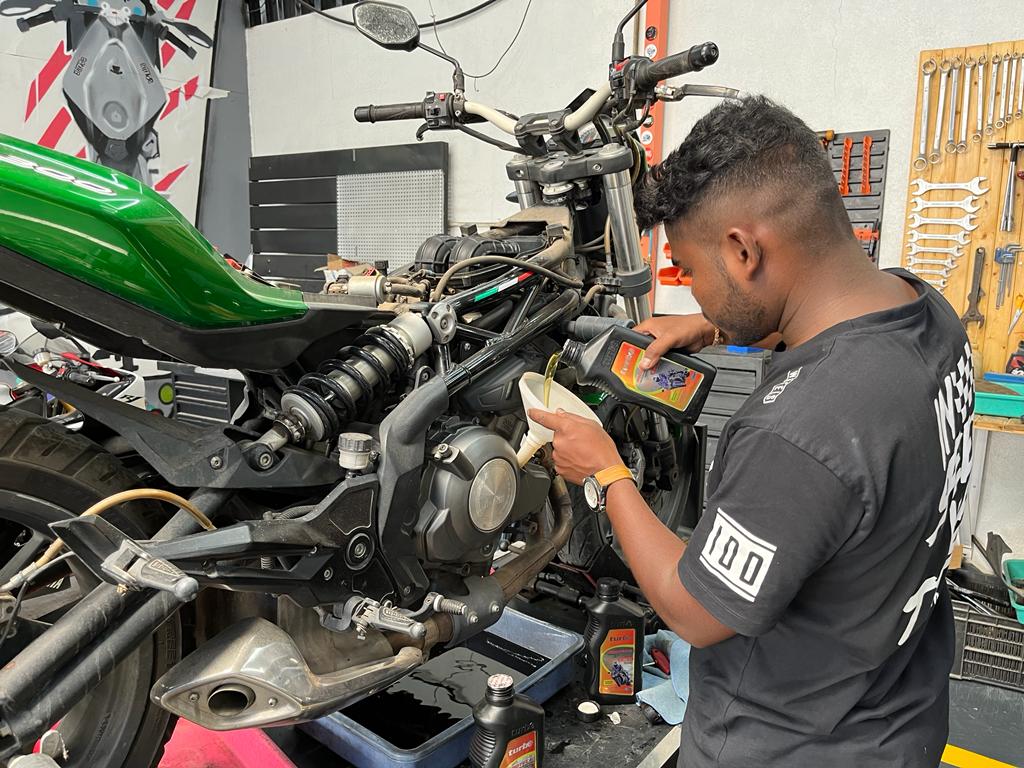
Choosing the right motorcycle oil is crucial for optimal engine performance and longevity. Proper oil selection considers factors like viscosity, type, and the specific requirements of your motorcycle model. This section will guide you through selecting the appropriate oil, checking the current oil level and condition, and determining the correct capacity for your motorcycle.
Factors to Consider When Choosing Motorcycle Oil
Selecting the correct motorcycle oil is vital for engine health. Viscosity and type are key considerations. Viscosity, expressed in weight grades like 10W-40 or 20W-50, indicates the oil's thickness at different temperatures. A lower weight (e.g., 10W) indicates thinner oil, suitable for warmer climates, while a higher weight (e.g., 50) is better for colder temperatures. The "W" stands for "winter" and signifies the oil's cold-weather performance.
The second number represents the oil's thickness at operating temperature. Choosing the correct viscosity for your motorcycle's operating environment is important for proper lubrication. Oil type also significantly impacts performance. Different types are formulated for various applications, and some are specifically designed for high-performance or racing use. Consulting your motorcycle's owner's manual is essential for determining the recommended viscosity and type.
Importance of Using the Correct Oil Type for the Motorcycle Model
Using the correct oil type is critical for maintaining optimal engine function. Motorcycle engines are meticulously engineered, and each model often has specific oil requirements. These requirements are typically detailed in the owner's manual, which specifies the recommended viscosity grade and type of oil (e.g., SAE 10W-40, synthetic blend). Deviating from these specifications can lead to premature wear, reduced engine life, and potential damage.
Adhering to the manufacturer's recommendations ensures your engine receives the optimal lubrication necessary for smooth operation.
Checking the Current Oil Level and Condition
Regularly checking the oil level and condition is essential for preventative maintenance. The oil level is typically checked with the motorcycle on a level surface. Locate the dipstick, often found near the engine, and carefully remove it. Wipe it clean with a lint-free cloth. Reinsert the dipstick, rotate it, and remove it again.
The oil level should be between the minimum and maximum markings on the dipstick. Inspect the oil's color and consistency. Dark, thick, or unusually black oil suggests that it's time for a change. This indicates that the oil has broken down and lost its lubricating properties.
Determining the Appropriate Oil Capacity for the Motorcycle
Accurately determining the oil capacity is vital for a successful oil change. This information is typically found in the motorcycle's owner's manual. Consult the manual for the specific oil capacity for your model. Using the correct amount ensures that the engine is properly lubricated without excess oil, which could potentially lead to problems. Excessively high oil levels can result in oil leaking or foaming, causing performance issues and engine damage.
Motorcycle Oil Type Comparison
| Oil Type | Characteristics | Typical Applications | Advantages |
|---|---|---|---|
| Mineral Oil | Basic, affordable, readily available. | Most motorcycles (except high-performance models). | Cost-effective, readily available. |
| Synthetic Oil | Superior performance, longer lifespan, resists breakdown. | High-performance motorcycles, racing applications, and older motorcycles. | Excellent protection, extended drain intervals. |
| Synthetic Blend Oil | Combines the benefits of both mineral and synthetic oils. | General motorcycle use, good balance of cost and performance. | Good balance of cost and performance, suitable for most applications. |
| High-Performance Oil | Specifically formulated for extreme conditions, like racing. | Racing applications, high-performance motorcycles. | Excellent protection in demanding situations. |
Gathering Materials and Preparation
Proper preparation is crucial for a successful and safe motorcycle oil change. This involves not only gathering the necessary tools and supplies but also ensuring a safe working environment and preparing the motorcycle itself. Careful attention to detail during this phase minimizes the risk of injury and damage to your bike.
Safety Precautions
Ensuring a safe working environment is paramount. Before commencing any work, it is vital to take necessary safety precautions. These precautions are not just suggestions; they are essential for preventing accidents and injuries. Appropriate personal protective equipment (PPE) should always be worn.
- Wear safety glasses to protect your eyes from flying debris.
- Use sturdy work gloves to protect your hands from cuts and abrasions.
- Use earplugs or earmuffs to protect your hearing from the noise generated during the process.
- Clear the work area of any obstacles that could cause tripping or falls.
- Ensure good lighting to improve visibility and avoid any sudden movement that could cause an accident.
Motorcycle Preparation
Preparing the motorcycle for the oil change involves several steps to facilitate a smooth and efficient procedure. This process ensures that the motorcycle is stable and ready for the oil change procedure. Properly securing the motorcycle is a critical safety measure.
- Positioning the Motorcycle: Position the motorcycle on a level surface, ideally a sturdy work stand or a raised platform. This helps prevent any potential accidents during the oil change process.
- Jacking Up the Motorcycle (if necessary): If using a jack, ensure the motorcycle is properly supported and secure on the jack stands. This step is essential for safely accessing the oil drain plug and the oil filter.
- Removing the Oil Drain Plug: Carefully remove the oil drain plug using the appropriate wrench size. Place a suitable container underneath the drain plug to catch the old oil.
Tool and Supply Collection
Gathering the necessary tools and supplies is crucial for a smooth oil change. This ensures that all required components are readily available and reduces any interruptions during the process.
- Tools: A socket wrench set, adjustable wrench, oil filter wrench, jack, jack stands, funnel, rags, and gloves.
- Supplies: New motorcycle oil (of the correct viscosity and type), oil filter, oil drain pan, and a container to store the used oil.
Workspace Preparation
Preparing the workspace for the oil change ensures a clean and organized environment, minimizing the risk of spills and maximizing efficiency.
- Cleaning the Workspace: Clear the area of any debris or obstructions. This is essential for safety and efficiency.
- Providing Adequate Lighting: Ensure sufficient lighting to improve visibility during the oil change procedure.
- Setting Up the Drain Pan: Position the oil drain pan directly under the oil drain plug to catch the old oil.
Safety Guidelines
Adherence to safety guidelines is critical for both personal safety and motorcycle protection during oil changes. These guidelines are presented in a table for easy reference.
| Safety Guideline | Description | Precautions | Consequences of Non-Compliance |
|---|---|---|---|
| Proper Gear | Wear appropriate safety gear, including safety glasses, gloves, and closed-toe shoes. | Ensure all protective gear is in good condition. | Increased risk of injury from debris, cuts, or slips. |
| Secure Motorcycle | Ensure the motorcycle is securely supported using a stand or jack stands. | Check the stability of the motorcycle on the stands before starting. | Risk of motorcycle falling, causing injury or damage to the motorcycle. |
| Proper Lighting | Maintain adequate lighting in the work area. | Use a lamp or flashlight for better visibility. | Reduced visibility, increasing risk of mistakes and accidents. |
| Controlled Environment | Clear the work area of obstructions and maintain order. | Ensure that the work area is free of any potential hazards. | Risk of tripping or falling, leading to injury. |
Draining the Old Oil

Properly draining the old motorcycle oil is crucial for a successful oil change. This step ensures that all the contaminants and impurities are removed, allowing the fresh oil to perform optimally. Efficient draining also prevents potential environmental damage from improper disposal.Safe and efficient draining of the old oil minimizes the risk of spills and injuries. Following the correct procedures ensures that the oil is collected effectively, and the motorcycle is protected from potential contamination.
Safe Draining Procedures
Proper preparation and careful execution of the draining process are essential to prevent oil spills and ensure the safety of the environment. A crucial part of this is selecting the right tools and materials, such as the appropriate drain pan.
- Choosing the Right Oil Drain Pan: A suitable drain pan is essential to contain the used oil. The pan should be large enough to hold the entire amount of oil expected to drain from the motorcycle's engine. A metal pan with a lip for easy pouring is ideal. A plastic pan is an alternative but should be durable enough to withstand the heat of the oil.
- Positioning the Motorcycle: Positioning the motorcycle on a level surface is important for ensuring that the oil drains completely and evenly. A slight incline may help, but it shouldn't be too steep. Placing the motorcycle on a jack or stands provides easy access for draining.
- Locating the Drain Plug: The drain plug's location varies by motorcycle model. Consult your motorcycle's manual or online resources to find the precise location of the drain plug. Commonly, the drain plug is located on the bottom of the engine.
- Preparing the Drain Pan: Position the drain pan directly beneath the drain plug. Ensure the pan is stable and won't tip over during the draining process. This prevents oil from spreading and protects the surrounding area from contamination.
- Removing the Drain Plug: Carefully remove the drain plug using a suitable wrench. Use caution to avoid dropping the wrench or the plug, as this could lead to potential injury or damage. A socket wrench or a box end wrench is recommended.
- Allowing the Oil to Drain: Allow the old oil to drain completely into the pan. This step may take several minutes. Monitoring the oil flow helps to determine if the process is complete and if the oil is fully drained.
- Replacing the Drain Plug: Once the oil has drained completely, carefully replace the drain plug. Ensure the plug is tightened securely to prevent leaks and maintain the oil seal.
- Checking for Leaks: After replacing the drain plug, inspect the area around the plug for any signs of leaks. If a leak is found, tighten the plug again or seek professional assistance.
Proper Disposal of Used Motorcycle Oil
Used motorcycle oil is hazardous waste and must be disposed of responsibly. Improper disposal can lead to environmental pollution.
- Recycling Used Oil: Many motorcycle repair shops and authorized recycling centers accept used motorcycle oil for recycling. This helps to conserve resources and reduce environmental impact. Checking with local regulations or contacting a recycling center in your area is advisable.
- Proper Container Handling: Ensure the used oil is placed in a suitable, sealed container for disposal. This prevents spills and leaks during transportation. Do not pour used oil directly onto the ground or into storm drains.
- Following Local Regulations: Local regulations dictate how to dispose of hazardous waste, including used motorcycle oil. It is essential to follow local regulations to ensure proper and safe disposal of the waste. Checking your local municipality's website or contacting them directly is crucial.
Replacing the Oil Filter
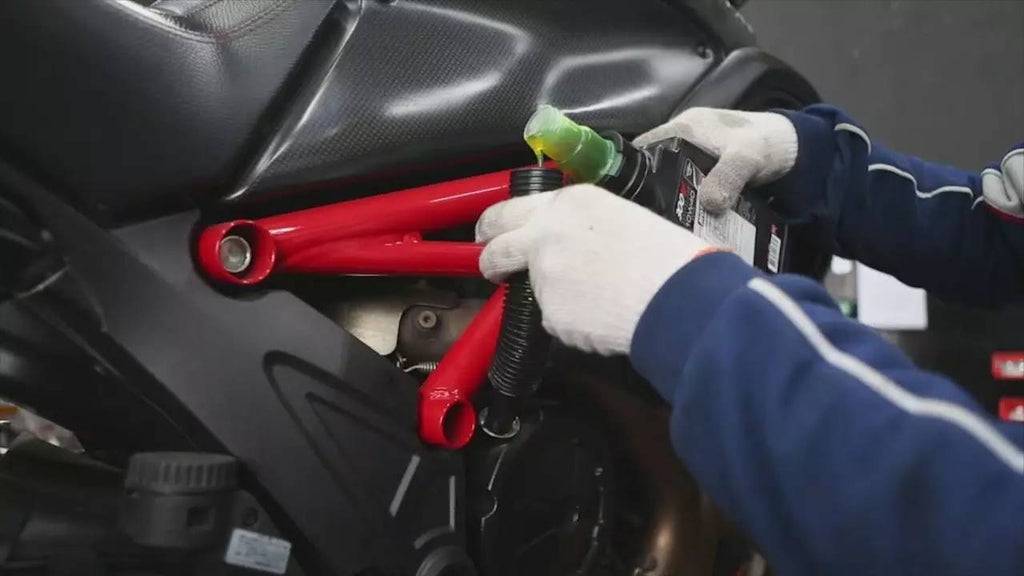
Properly replacing the oil filter is crucial for maintaining optimal engine performance and longevity. A clogged or damaged filter restricts oil flow, leading to reduced lubrication and potential engine damage. This section details the importance of replacing the filter, the removal and installation procedures, and various filter types.
Importance of Replacing the Oil Filter
The oil filter's primary function is to remove contaminants and debris from the engine oil. Over time, these contaminants accumulate within the filter, reducing its efficiency. A clogged oil filter restricts the flow of clean oil to critical engine components, leading to overheating, reduced engine power, and premature wear. Regular replacement ensures a constant supply of clean oil, protecting the engine and extending its lifespan.
Oil Filter Removal and Replacement Procedures
The procedure for removing and replacing the oil filter varies slightly depending on the motorcycle model. Consult your motorcycle's owner's manual for specific instructions. Generally, the process involves:
- Locating the oil filter. It's typically situated near the engine.
- Using the correct wrench to loosen and remove the old filter. Avoid over-tightening, as this can damage the filter housing.
- Applying a small amount of fresh oil to the gasket of the new filter before installation. This ensures a proper seal.
- Installing the new filter by hand, ensuring it's seated firmly in the housing.
- Tightening the filter to the manufacturer's specifications. Over-tightening can damage the filter or the housing. Under-tightening can lead to leaks.
Different Types of Oil Filters and Their Characteristics
Different types of oil filters are available, each with specific characteristics.
- Paper Element Filters: These are the most common type. They employ a paper element to trap contaminants. Paper element filters are generally inexpensive and readily available. Their efficiency in trapping debris can vary based on the filter's design and quality.
- Metal Mesh Filters: These filters utilize a metal mesh to trap contaminants. They tend to be more durable than paper element filters and can withstand higher temperatures. Metal mesh filters are often found in high-performance applications where greater durability is needed.
Correct Procedure for Installing a New Oil Filter
Correct installation of the new oil filter is vital to prevent leaks and ensure optimal performance.
- Proper Lubrication: Apply a small amount of fresh oil to the gasket of the new filter before installation. This ensures a proper seal between the filter and the filter housing.
- Hand Tightening: Install the new filter by hand, ensuring it's seated firmly in the housing.
- Torque Specifications: Tighten the filter to the manufacturer's specified torque. Refer to your owner's manual for the correct torque value. This ensures a tight seal without damaging the filter or the housing.
Oil Filter Brand Comparison
| Brand | Filter Type | Performance Rating (1-5, 5 being best) | Durability Rating (1-5, 5 being best) |
|---|---|---|---|
| Brand A | Paper Element | 4 | 4 |
| Brand B | Metal Mesh | 5 | 5 |
| Brand C | Paper Element | 3 | 3 |
| Brand D | Paper Element | 4 | 3 |
Note: Performance and durability ratings are based on average user feedback and testing results. Individual experiences may vary.
Adding New Oil and Checking the Level
Properly adding the correct amount of new oil and verifying the oil level is crucial for optimal motorcycle performance and engine longevity. Incorrect oil levels can lead to premature wear, reduced engine efficiency, and potential damage. This section details the steps for accurately adding and checking the oil level in your motorcycle.
Adding the Correct Amount of New Oil
Adding the precise amount of new oil is essential. Overfilling can lead to potential issues, including oil leaks and damage to components. Underfilling can lead to insufficient lubrication, causing engine wear. Refer to your motorcycle's owner's manual for the recommended oil capacity. Carefully pour the new oil into the engine's oil filler cap, monitoring the level to prevent overfilling.
Use a funnel for easier and more controlled pouring.
Checking the Oil Level After Adding New Oil
Checking the oil level after adding new oil ensures the correct amount has been achieved. This verification step is vital for optimal engine performance. Incorrect oil levels can lead to severe engine damage. The process involves specific steps to accurately determine the proper oil level.
Procedure for Checking the Oil Level
The procedure for checking the oil level involves specific steps to ensure accuracy. First, ensure the motorcycle is on a level surface. Allow the engine to cool completely. Locate the oil dipstick, usually located under the engine, or in the engine compartment. Wipe the dipstick clean with a lint-free cloth.
Insert the dipstick fully into the oil reservoir. Remove the dipstick and visually inspect the oil level. The oil level should be between the minimum and maximum marks on the dipstick.
Signs of Too High or Too Low Oil Level
Identifying signs of an incorrect oil level is essential for preventing potential engine damage. An oil level that is too high can result in oil leaks, while an oil level that is too low can lead to insufficient lubrication. A noticeable oil leak near the engine or other components is a sign of an overfilled oil level. Conversely, a noticeable lack of oil on the dipstick, potentially accompanied by engine noises, indicates a low oil level.
Proper Oil Level Ranges
The following table provides a general guideline for proper oil level ranges for different motorcycle models. These ranges are approximations and specific recommendations should always be consulted in the motorcycle's owner's manual. Variations in engine design and specific models may result in different oil capacity requirements.
| Motorcycle Model | Minimum Oil Level (mL) | Maximum Oil Level (mL) | Recommended Oil Level (mL) |
|---|---|---|---|
| Honda CBR650R (2017) | 2.5 | 3.0 | 2.75 |
| Yamaha R6 (2020) | 2.8 | 3.3 | 3.05 |
| Kawasaki Ninja 400 (2019) | 2.2 | 2.7 | 2.45 |
| Suzuki GSXR 750 (2021) | 3.5 | 4.0 | 3.75 |
Reassembly and Final Checks

Completing the oil change involves more than just replacing the fluids; it's crucial to reassemble the motorcycle components correctly and thoroughly check for any leaks. Proper reassembly ensures optimal motorcycle performance and longevity. Following these steps carefully guarantees a successful oil change, minimizing potential issues and maximizing the safety and efficiency of your motorcycle.
Reassembling Motorcycle Components
Correct reassembly of components is vital to prevent leaks and ensure proper functioning. Carefully reinstalling the oil drain plug and oil filter is essential.
- Oil Drain Plug: Tighten the oil drain plug securely to the specified torque. Over-tightening can strip the threads, while under-tightening can lead to leaks. Consult your motorcycle's owner's manual for the correct torque specification. Use a torque wrench for precise tightening. A properly tightened oil drain plug prevents oil from leaking and ensures the drain plug remains securely in place.
- Oil Filter: Install the new oil filter, ensuring it's seated correctly on the filter housing. Apply a thin layer of oil to the rubber gasket of the new filter before installing it to aid in a proper seal. Over-tightening can damage the filter housing or gasket, while under-tightening may cause leakage. Again, consult your motorcycle's owner's manual for the correct tightening specifications.
Importance of Proper Tightening
Ensuring all components are properly tightened is critical for leak prevention. Incorrect tightening can result in leaks, which not only waste oil but can also damage the motorcycle's engine and other components. Proper tightening prevents leaks and maintains the integrity of the system.
Starting the Motorcycle and Checking for Leaks
After reassembly, it's important to start the motorcycle and check for any leaks. This step confirms that all components are correctly installed and sealed.
- Starting the Motorcycle: Start the motorcycle and let it run for a few minutes. This allows the oil to circulate and potentially expose any leaks.
- Checking for Leaks: Carefully inspect all areas where oil could potentially leak. These areas include the oil drain plug, oil filter, and any other relevant components. If any leaks are present, immediately stop the motorcycle and address the issue before continuing.
Importance of Post-Oil Change Leak Checks
Checking for leaks after an oil change is a crucial safety and maintenance step. This proactive measure helps identify any issues with the components or their installations, preventing potential problems down the road. Leaks can lead to significant problems, ranging from reduced engine performance to costly repairs.
Common Reassembly Mistakes and Solutions
Identifying potential errors during reassembly is crucial for preventing problems.
| Mistake | Description | Solution | Potential Consequences |
|---|---|---|---|
| Incorrect Torque | Using too little or too much torque when tightening components. | Consult the motorcycle's owner's manual for the correct torque specifications. Use a torque wrench to ensure accurate tightening. | Leaks, stripped threads, damaged components. |
| Improper Filter Installation | Incorrect positioning or improper seating of the oil filter. | Ensure the oil filter is properly seated on the housing. Apply a thin layer of oil to the rubber gasket. | Leaks, damaged filter housing, reduced oil flow. |
| Missing Gaskets or Seals | Omitting crucial gaskets or seals during reassembly. | Ensure all gaskets and seals are in place and properly positioned. | Leaks, reduced sealing efficiency, damage to components. |
| Contaminated Components | Using dirty or contaminated tools or components. | Ensure all tools and components are clean. | Contamination of new oil, reduced sealing efficiency. |
Troubleshooting and Common Issues
Performing a motorcycle oil change at home can be a rewarding experience. However, like any mechanical task, unforeseen issues can sometimes arise. Understanding potential problems and their solutions will ensure a smooth and successful oil change, minimizing any disruptions or damage. This section details potential problems and their remedies.
Potential Oil Leaks
Addressing potential leaks during the oil change process is crucial to prevent further damage and ensure the safety of the motorcycle. Proper identification and handling of these issues are key to a successful oil change.
- Improperly tightened drain plug or filter housing: Over-tightening can damage threads or the surrounding components, while under-tightening allows oil to leak. Verify torque specifications for the drain plug and filter housing in the motorcycle's service manual. Using the correct tool to apply the recommended torque ensures proper tightening, preventing leaks. Using a torque wrench is essential to avoid over-tightening, which can lead to stripped threads or damaged components.
- Damaged gaskets or seals: Worn or damaged gaskets or seals around the drain plug, filter housing, or other components can allow oil to seep out. Inspect these parts carefully for any signs of damage or deterioration. Replacing damaged gaskets or seals with new ones is necessary to prevent future leaks.
- Loose or damaged oil filter housing: Ensure the oil filter housing is correctly seated and secured. A loose or damaged housing can lead to oil leakage. Inspect the housing for any signs of damage and ensure it is firmly in place. Replacing the housing if necessary will prevent future leaks.
Difficulty Removing Parts
Encountering difficulties during part removal is a common issue during oil changes. Addressing these challenges efficiently can save time and prevent potential damage.
- Tightened drain plug: If the drain plug is exceptionally tight, using a suitable drain plug socket and applying gentle but firm pressure may help loosen it. If the plug is extremely stubborn, consider using penetrating oil to help loosen the plug. Do not use excessive force, as this could damage the plug or the surrounding threads.
If the problem persists, consult a qualified mechanic.
- Stuck oil filter: If the oil filter is difficult to remove, carefully apply penetrating oil to the filter housing or the filter itself to help loosen it. Applying heat to the filter housing with a heat gun (with extreme caution) might also assist in removing the filter. Avoid using excessive force, which could damage the filter or housing.
Oil Filter Issues
Issues related to the oil filter can impact the overall efficiency of the oil change process. Troubleshooting these issues can prevent potential complications.
- Damaged oil filter: A damaged oil filter can compromise its filtering ability. Inspect the oil filter for any signs of damage, such as dents, tears, or cracks. A damaged filter should be replaced to maintain optimal engine performance.
- Incorrect oil filter: Using the incorrect oil filter type or size can result in improper oil flow or other issues. Always consult the motorcycle's service manual for the correct oil filter specification. Using the correct filter ensures compatibility and optimal performance.
- Oil filter not seating properly: If the oil filter is not seated correctly, it can cause leaks. Ensure the filter is installed correctly, following the instructions in the service manual. Correct installation prevents oil leaks and ensures optimal performance.
Low Oil Levels
Monitoring oil levels is essential to ensure adequate lubrication for the engine. Identifying and addressing low oil levels is crucial for maintaining optimal engine performance.
- Incorrect oil amount: Adding too little or too much oil can negatively affect engine performance. Follow the motorcycle's service manual for the correct amount of oil to be added. Incorrect oil amounts can lead to issues like engine damage or reduced efficiency.
- Leakage after oil change: If there's an oil leak after the change, re-examine all connections and tightening. Ensure that all gaskets and seals are properly installed and tightened according to the torque specifications. Leakage after a change usually indicates a faulty part or an installation error.
Preventative Measures
Implementing preventative measures can minimize the occurrence of issues during future oil changes.
- Regular maintenance: Regular maintenance schedules, including oil changes, can prevent issues like oil leaks or filter problems. Consistent maintenance schedules help detect problems early.
- Proper storage: Proper storage of motorcycle parts can minimize damage to gaskets and seals. Storing components correctly prevents damage and improves the likelihood of a successful oil change.
Final Review
Successfully completing a motorcycle oil change at home is a rewarding experience. This guide has provided a detailed roadmap, covering everything from initial preparation to final checks. Remember to prioritize safety, follow the steps meticulously, and enjoy the satisfaction of keeping your motorcycle running smoothly. By mastering this procedure, you'll not only save money but also gain a deeper appreciation for your machine.
This guide empowers you to take control of your motorcycle maintenance, ensuring optimal engine health and performance. By adhering to the Artikeld steps, you can confidently perform your next oil change with confidence.

Post a Comment for "How to Do a Motorcycle Oil Change at Home A Comprehensive Guide"
Post a Comment