How to Winterize a Motorcycle for Storage
Proper winterization is crucial for preserving your motorcycle's condition and longevity. This comprehensive guide provides a detailed approach to preparing your bike for storage, covering everything from thorough cleaning and fluid drainage to protecting components and the fuel system. Understanding these steps ensures your motorcycle remains in pristine condition through the winter months, ready for spring's return.
The guide will detail the essential steps for effectively winterizing your motorcycle, from preparing the motorcycle itself to managing the fuel system and protecting the engine. Specific considerations for various motorcycle types will also be addressed, ensuring a personalized approach to winterization. This will allow you to confidently store your motorcycle for the colder months, ensuring its readiness for spring.
Preparing the Motorcycle
Properly preparing your motorcycle for winter storage is crucial for its longevity and optimal performance when you're ready to ride again. This involves a multi-step process that encompasses thorough cleaning, fluid management, and appropriate storage. Following these steps ensures that your bike remains in top condition throughout the off-season.Thorough preparation minimizes the risk of corrosion, fluid leaks, and other issues that can arise from prolonged inactivity and exposure to the elements.
This comprehensive approach will extend the life of your motorcycle and prevent costly repairs later on.
Gathering Supplies
A well-stocked toolkit is essential for a successful winterization process. This includes various fluids, tools, and supplies.
- Motorcycle-Specific Fluids: Engine oil, coolant, brake fluid, transmission fluid, and any other motorcycle-specific fluids (e.g., gear oil). Ensuring you have the correct type and quantity for your specific motorcycle model is crucial.
- Cleaning Supplies: High-quality motorcycle degreaser, various cleaning cloths or towels, a pressure washer (optional but helpful), and a bucket for rinsing.
- Tools: Drain plugs, wrenches (appropriate sizes), funnel, oil filter removal tool (if applicable), and various tools required for any specific motorcycle maintenance.
- Storage Solutions: Depending on your chosen storage method, you may need covers, indoor storage solutions, or other relevant equipment.
- Protective Gear: Gloves, safety glasses, and a face mask to protect yourself from potential hazards during the process.
Cleaning the Motorcycle
A clean motorcycle is a well-protected motorcycle. Thorough cleaning removes dirt, grime, and road salt that can cause corrosion and damage. This is a crucial first step in winterizing your motorcycle.
- Exterior Cleaning: Begin by removing loose dirt and debris from the bike's exterior using a brush or pressure washer (if available). Next, apply a degreaser and scrub away any accumulated grime. Thoroughly rinse the motorcycle with water to remove all traces of the degreaser. Allow the motorcycle to air dry completely before moving on to the next step.
- Interior Cleaning: Pay attention to the motorcycle's interior components, including the engine, frame, and other visible areas. Remove any visible dirt or debris. If possible, disassemble accessible components to ensure a thorough cleaning. Clean the engine components and parts. Use a degreaser specifically designed for motorcycle engines.
Allow the engine to dry thoroughly.
Draining Fluids
Proper fluid drainage is vital to prevent damage during storage. This process should be done carefully to avoid spills and ensure you use the correct containers.
- Engine Oil: Locate the engine oil drain plug. Use a suitable wrench to carefully remove the plug. Place a container beneath the drain plug to catch the oil. Once all the oil has drained, replace the drain plug and tighten securely.
- Coolant: Identify the coolant reservoir and drain plug. Drain the coolant into a suitable container. Replace the drain plug securely. Flush the system with fresh coolant following the manufacturer's instructions.
- Brake Fluid: Locate the brake fluid reservoir. Open the bleed valve and allow the fluid to drain into a container. Replace the bleed valve securely.
Motorcycle Storage Solutions
Choosing the right storage solution depends on factors like climate, budget, and available space. A comparison of various storage options is provided below.
| Storage Type | Pros | Cons |
|---|---|---|
| Indoor Garage/Workshop | Protects from elements, ideal for year-round maintenance. | Requires space and may be expensive if space is limited. |
| Outdoor Shed/Enclosure | Offers more space than indoor storage at a potentially lower cost. | Vulnerable to weather conditions, requires protection (e.g., covers). |
| Outdoor Covered Parking | Combines some protection from the elements with relative ease of access. | Not as robust as indoor storage and can still be vulnerable to weather. |
Protecting Components
Properly protecting your motorcycle's components during winter storage is crucial for maintaining its performance and longevity. Neglecting this step can lead to costly repairs and significant loss of value. This section will detail strategies for safeguarding the electrical system, preventing moisture buildup, lubricating moving parts, and selecting appropriate storage solutions for your tires.Protecting the motorcycle's electrical system is paramount to prevent battery discharge and corrosion.
Ensuring a fully charged battery before storage is a fundamental step. Furthermore, disconnecting the battery terminals or using a battery tender can prevent potential damage during prolonged periods of inactivity.
Protecting the Electrical System
Maintaining a fully charged battery before storage is a crucial step to prevent damage. Disconnecting the battery terminals is another critical preventive measure. This action mitigates the risk of battery discharge, which can lead to corrosion and a reduction in its lifespan. Alternatively, using a battery tender is an effective method to maintain a constant charge on the battery throughout the storage period.
This approach will keep the battery in optimal condition for re-use.
Preventing Moisture Buildup
Moisture is a significant enemy of motorcycle components. It can lead to corrosion, rust, and other forms of damage, especially in the winter months. To prevent moisture buildup, thoroughly cleaning the motorcycle before storage is essential. This includes removing all visible water or debris from every component. Consider using a moisture-absorbing desiccant pack or silica gel packets inside the motorcycle's storage container to further mitigate the effects of humidity.
Lubricating Moving Parts
Regular lubrication of moving parts is essential to ensure smooth operation when the motorcycle is ready to be used again. This includes components such as the chain, suspension, and steering. Proper lubrication prevents friction and wear, prolonging the life of these critical parts. Using the appropriate type of lubricant for each component is essential for maintaining their performance.
A comprehensive lubrication schedule is beneficial for maintaining the motorcycle in optimal condition.
Motorcycle Cover Comparison
Choosing the right cover is crucial for protecting your motorcycle from the elements. Different materials offer varying levels of protection.
| Cover Type | Material | Effectiveness | Pros | Cons |
|---|---|---|---|---|
| Vinyl | Vinyl | Moderate | Affordable, readily available | Susceptible to tears, not as durable as other options |
| Waterproof Canvas | Waterproof canvas | High | Durable, good weather resistance | More expensive than vinyl, can be heavier |
| Waterproof Polyester | Waterproof polyester | High | Durable, good weather resistance, lighter than waterproof canvas | More expensive than vinyl, can be heavier |
Proper selection of a motorcycle cover should consider the climate and storage environment. Waterproof covers are highly recommended for areas with high humidity or significant precipitation.
Storing Motorcycle Tires
Proper storage of motorcycle tires during the winter months is vital to maintain their structural integrity. Storing them in a cool, dry environment, away from direct sunlight and extreme temperatures, is essential. Avoid storing them in direct contact with harsh chemicals or materials that could damage the rubber. Inflate tires to the recommended pressure before storing to prevent flat spots.
Fuel System Management
Proper fuel system management is crucial for preventing damage and ensuring a smooth start-up when your motorcycle returns from storage. Failing to adequately prepare the fuel system can lead to corrosion, clogging, and ultimately, difficulty in starting. This section details the procedures for safely emptying the tank, protecting fuel lines, and maintaining critical components.Fuel system components are susceptible to degradation when exposed to prolonged periods of inactivity.
Corrosion can develop in fuel lines and tanks, and fuel can become stale or contaminated. Fuel injectors and carburetors, if not properly cared for, may experience clogging or malfunction. Therefore, careful attention to these procedures will ensure your motorcycle is in peak condition when you're ready to ride again.
Emptying the Fuel Tank
Thorough fuel system drainage is essential to prevent fuel from becoming stale or contaminated during storage. This will also prevent the formation of varnish or other deposits that can impede starting. The following procedure ensures complete removal of fuel:
- Locate the fuel drain valve, if present. Open the valve completely to allow the fuel to drain into a suitable container. Ensure the container is appropriately sized to hold the entire fuel volume and is leak-proof.
- If there is no drain valve, start the motorcycle and let it run until the engine stalls due to fuel exhaustion. This method, however, may not remove all fuel, especially in carburetors.
- Remove the fuel filter and inspect for any remaining fuel. If present, empty the filter completely. Inspect the filter for any damage and replace if necessary.
- Replace the fuel filter and ensure the fuel tank cap is securely closed to prevent the entry of contaminants.
Preventing Fuel Line Corrosion
Corrosion in fuel lines can lead to leaks and other malfunctions. To mitigate this risk during storage, the following methods are effective:
- Use fuel stabilizer: Adding a fuel stabilizer to the fuel tank is a crucial step in preventing fuel degradation. This chemical additive inhibits oxidation and prevents varnish buildup.
- Run the engine for a short period: Running the engine for a few minutes after adding the fuel stabilizer will help circulate the fuel throughout the system, ensuring that the stabilizer reaches all parts.
- Empty the fuel tank completely: As discussed in the previous section, thoroughly draining the tank prevents the formation of harmful deposits that can cause corrosion or clogging.
- Protect fuel lines from physical damage: Inspect and protect fuel lines from potential damage during storage to prevent leaks or breaks.
Maintaining Fuel Injectors and Carburetors
Proper maintenance of fuel injectors and carburetors is essential to ensure smooth operation. This involves the following:
- Clean injectors: Clean fuel injectors to remove any sediment or deposits. This can be done using specialized cleaning solutions or by ultrasonic cleaning.
- Inspect carburetors: Inspect carburetors for any signs of damage, clogging, or debris. Clean or replace parts as needed. Thoroughly cleaning the carburetors is crucial to prevent issues with fuel flow and mixing.
- Check for leaks: Regularly inspect for any leaks in the fuel lines or components to prevent fuel loss and corrosion.
Fuel System Drainage Procedure
The following table Artikels the steps for ensuring the fuel system is fully drained for winter storage.
| Step | Action |
|---|---|
| 1 | Locate the fuel drain valve (if available). |
| 2 | Open the valve and allow the fuel to drain completely into a suitable container. |
| 3 | If no drain valve, start the engine and let it run until fuel is depleted. |
| 4 | Remove the fuel filter and empty any remaining fuel. |
| 5 | Replace the fuel filter and secure the fuel tank cap. |
Protecting Fuel Lines from Freezing
Freezing temperatures can cause damage to fuel lines. The following measures can help mitigate this risk:
- Store the motorcycle in a protected environment: Store the motorcycle in a garage or shed, away from extreme temperatures to prevent freezing.
- Drain the fuel lines: Draining the fuel lines can help prevent them from freezing, particularly in colder climates. If the motorcycle is stored in a cold environment, consider draining the fuel lines entirely to prevent freezing.
- Use heat tape or other protective measures: For exceptionally cold environments, use heat tape or other protective measures to insulate fuel lines to prevent freezing.
Protecting the Engine
Proper engine protection during winter storage is crucial for maintaining its longevity and performance. Neglecting this aspect can lead to costly repairs and reduced lifespan. This section details the best practices for safeguarding your motorcycle's engine from the harsh effects of winter.Engine condensation and rust are significant concerns during prolonged periods of inactivity. These issues can lead to corrosion of internal components, impacting the engine's efficiency and reliability upon restarting.
Therefore, a comprehensive approach to engine protection is essential.
Preventing Engine Condensation and Rust
Maintaining a dry engine environment is paramount during winter storage. Moisture buildup can lead to corrosion and damage, necessitating costly repairs. Several methods can be implemented to minimize this risk. These include using specialized engine drying agents, which absorb moisture from the engine's internal components. Additionally, ensuring proper ventilation within the engine compartment helps to prevent moisture accumulation.
Engine Protection Products
Utilizing engine protection products is a proactive measure against corrosion and condensation. These products often contain a blend of anti-corrosion agents and lubricants that help to create a protective barrier within the engine.
- Step-by-step application: Carefully follow the manufacturer's instructions for the specific engine protection product you select. Typically, this involves thoroughly cleaning the engine, applying the product evenly to all exposed metal surfaces, and allowing sufficient drying time. This ensures proper adhesion and effectiveness of the protective layer.
- Choosing the right product: Select a product explicitly designed for engine protection. Look for recommendations from motorcycle maintenance professionals or reputable sources to ensure compatibility with your specific engine type. Reading reviews and comparing products can also be helpful in making the right choice.
- Safety Precautions: Always wear appropriate safety gear, such as gloves and eye protection, when handling engine protection products. Ensure proper ventilation in the area to avoid inhalation of fumes. Follow all instructions carefully and handle the product according to the manufacturer's recommendations.
Engine Heaters
Engine heaters provide a controlled method of maintaining engine temperature and preventing condensation formation. They work by slowly warming the engine compartment to prevent moisture accumulation. This prevents damage from thermal shock when the engine is restarted in the spring.
Battery Tenders
Battery tenders maintain the battery's charge, preventing it from sulfating or discharging completely. This is crucial for ensuring a reliable start in the spring. A fully charged battery is essential for immediate engine operation.
Impact of Temperature Fluctuations
Significant temperature fluctuations during winter storage can lead to thermal stress on engine components. This stress can cause internal damage, resulting in issues with the engine's starting ability or its long-term performance. For example, rapid temperature changes can cause internal components to expand and contract unevenly, potentially leading to damage.
Potential Problems from Improper Winterization
Improper winterization can lead to a variety of problems. Examples include engine corrosion, reduced engine performance, and difficulty in starting the engine. These issues can range from minor inconveniences to major repairs, highlighting the importance of meticulous winterization procedures. Furthermore, the resulting damage can necessitate costly repairs, reducing the motorcycle's overall value and lifespan.
Storage Considerations
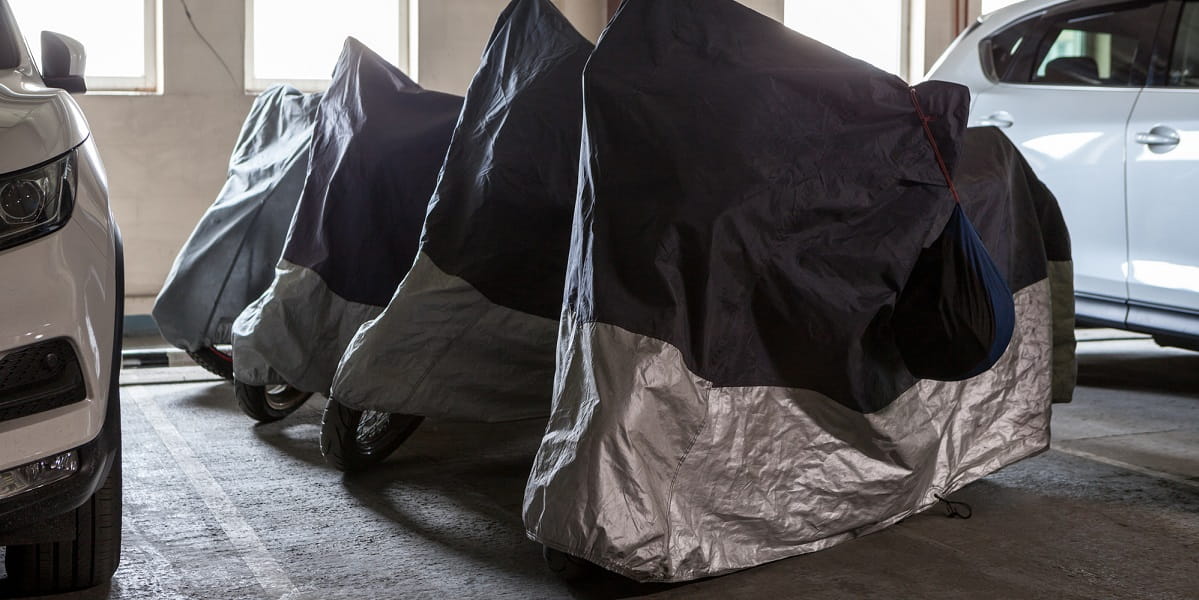
Proper storage is crucial for preserving your motorcycle's condition and longevity during the off-season. Choosing the right location and implementing secure storage methods significantly impact the motorcycle's overall health and resale value. Careful attention to detail in these areas will pay dividends in the long run.Ideal storage locations offer protection from the elements, minimizing exposure to moisture, temperature fluctuations, and potential theft.
Understanding the trade-offs between indoor and outdoor storage options, along with the importance of ventilation, is vital. Selecting the most suitable storage method for your motorcycle is essential for its long-term health.
Ideal Storage Locations
Selecting a suitable storage location is paramount to the motorcycle's condition during its off-season. A well-chosen storage location minimizes exposure to environmental factors, preventing corrosion, damage, and theft. Consider factors such as proximity to your home or workshop, security features, and available space.
Indoor vs. Outdoor Storage
Indoor storage generally provides superior protection from the elements. It safeguards against rain, snow, direct sunlight, and temperature extremes. However, indoor storage may not always be practical or possible for everyone. Outdoor storage, while less protective, may be more accessible and economical. Properly chosen outdoor storage locations and security measures can provide reasonable protection.
Importance of Ventilation
Adequate ventilation is critical during storage, particularly for indoor locations. Improper ventilation can lead to condensation and moisture buildup, which can accelerate corrosion and damage sensitive components. Ensure the storage area allows for air circulation to prevent moisture from accumulating. Open windows, using fans, or strategically placed vents can facilitate proper ventilation.
Motorcycle Securing Methods
Choosing the right method for securing your motorcycle during storage is crucial to prevent theft and damage. The best approach depends on the storage location and the level of security required.
| Securing Method | Description | Pros | Cons |
|---|---|---|---|
| Chain and Lock | A sturdy chain and a high-quality lock are often sufficient for basic security. | Relatively inexpensive, readily available. | Chain can be cut or compromised if not durable enough. Potential for lock manipulation. |
| Immobilizer System | Motorcycle immobilizer systems prevent the engine from starting without the proper key or code. | Strong deterrent against theft. Often more secure than basic locks. | Requires specific key or code to operate, increasing the complexity of use. |
| Motorcycle Cover | A protective cover safeguards the motorcycle from the elements and minor dust or debris. | Affordable, easy to use. Helps to maintain a clean and presentable appearance. | Limited security. Not a substitute for other security measures. |
| Dedicated Motorcycle Enclosure | Dedicated motorcycle enclosures offer a secure and enclosed storage space. | High security against theft. Complete protection from the elements. | Can be expensive and may require additional space. |
Examples of Securing Motorcycles
For chain and lock methods, use a high-quality, hardened steel chain and a heavy-duty lock. Consider installing the lock through multiple points on the motorcycle frame. For immobilizer systems, ensure the system is correctly installed and that the proper codes are known. Dedicated motorcycle enclosures offer superior protection and should be installed in a secure area. Always consider the level of security required for the specific storage location.
Troubleshooting and Maintenance

Properly winterizing a motorcycle for storage involves more than just preparing the components. Careful maintenance and troubleshooting after storage are crucial for ensuring the motorcycle's longevity and readiness for the next riding season. This section will detail potential problems encountered during storage, guide you through troubleshooting steps, and Artikel basic maintenance checks after retrieval.Addressing issues promptly can prevent more significant problems and save you time and money in the long run.
Common Storage Problems
A well-maintained motorcycle, properly winterized, can still experience issues during storage. Moisture, temperature fluctuations, and the inactivity itself can lead to problems. These problems are not always immediately obvious, requiring careful checks after storage.
- Moisture Damage: Condensation, especially in enclosed spaces, can lead to rust and corrosion on various components, including the engine, frame, and exhaust system. Prolonged exposure to moisture can also affect electrical components, potentially leading to short circuits or malfunctions.
- Fuel Degradation: Fuel left in the tank for extended periods can become stale or contaminated, affecting its performance and potentially leading to engine problems upon restart.
- Battery Discharge: Motorcycle batteries can lose their charge during extended storage. A completely discharged battery might not hold a charge or could fail to start the motorcycle.
- Electrical System Issues: Malfunctions in the electrical system, such as faulty connections or corroded wires, can be a result of moisture or inadequate protection. This could range from simple light issues to complete system failure.
Troubleshooting Procedures
Thorough inspections are vital after storage to identify and address any potential problems. The following procedures provide guidance in troubleshooting common issues.
- Moisture Damage Inspection: Visually inspect all components, paying close attention to areas prone to moisture accumulation, such as the frame, engine, and electrical connections. Look for signs of rust, corrosion, or discoloration. If moisture is present, address the source and implement preventative measures for future storage.
- Fuel System Check: Drain any remaining fuel from the tank and carburetor. Replace the fuel with fresh fuel. Run the engine briefly to ensure proper fuel delivery. If fuel issues are detected, consider adding fuel stabilizer.
- Battery Check: Test the battery's charge using a multimeter. If the battery is discharged, recharge it. Ensure the battery terminals are clean and free of corrosion.
- Electrical System Check: Check all electrical connections for corrosion and tightness. Inspect all lights, signals, and other electrical components for proper function.
Identifying Signs of Moisture Damage
Recognizing the signs of moisture damage is critical to preventing further deterioration.
- Rust and Corrosion: Look for rust spots or a general discoloration on metal components. Corrosion often starts subtly, but it can spread quickly. Early detection allows for prompt treatment.
- Water Marks: Visible water marks or traces of condensation on components, especially inside the frame or engine compartment, are clear indicators of moisture.
- Electrical Problems: Flickering lights, intermittent electrical issues, or a complete lack of electrical function may indicate moisture damage to electrical components.
Maintenance Checks After Storage
Performing these checks after storage ensures the motorcycle is in optimal condition for use.
| Problem | Potential Solutions |
|---|---|
| Rust on frame | Clean and treat with rust inhibitor. |
| Discharged battery | Charge or replace the battery. |
| Fuel contamination | Drain and replace fuel. Add fuel stabilizer. |
| Electrical malfunction | Inspect and clean electrical connections. |
Motorcycle-Specific Considerations
Winterizing a motorcycle requires careful attention to its specific design and features. Different motorcycle types, from nimble sportbikes to comfortable cruisers, have unique needs for proper winter storage. Understanding these nuances is crucial for ensuring your motorcycle remains in top condition throughout the cold months.
Types of Motorcycles and Winterization Needs
Various motorcycle designs present different challenges during winter storage. A thorough understanding of these differences is essential for effective winterization. Different motorcycle types necessitate different approaches to prevent damage from cold temperatures, moisture, and inactivity.
- Sportbikes: Sportbikes, often characterized by their lightweight frames and aerodynamic designs, require meticulous attention to detail during winterization. Their exposed components are particularly vulnerable to moisture and cold temperatures. These bikes frequently feature intricate suspension systems that require specific lubrication and protection from corrosion. Careful attention to coolant levels and proper battery maintenance is also important for these motorcycles.
- Cruisers: Cruisers, known for their relaxed riding positions and robust designs, typically fare better in cold weather than sportbikes. However, even cruisers benefit from thorough winterization to prevent corrosion and component failure. Their larger, often more complex, fuel systems necessitate specialized attention to prevent fuel line freezing and carburetor issues.
- Dual-Sport Motorcycles: Dual-sport motorcycles, designed for both on-road and off-road riding, often have more exposed components than cruisers or sportbikes. Their use in diverse conditions means they are susceptible to moisture and dirt accumulation. These motorcycles frequently require extra attention to ensure proper lubrication and protection of suspension systems and electrical components.
Specific Procedures for Different Motorcycle Models
Understanding the specifics of a motorcycle model is crucial for effective winterization. A standardized approach won't suffice; each model may have unique features requiring tailored attention. This involves consulting the motorcycle's owner's manual for precise instructions.
| Motorcycle Model | Specific Winterization Procedures |
|---|---|
| Honda CBR1000RR | Consult the owner's manual for specific procedures, including draining and filling coolant, replacing fluids, and disconnecting the battery. |
| Harley-Davidson Softail | Thorough cleaning, lubrication, and protection of exposed metal components are critical. Address fuel system concerns and ensure the battery is properly disconnected and stored. |
| KTM 690 Enduro | Thorough cleaning, including the suspension and wheel components. Pay particular attention to protection against moisture and ensure the battery is disconnected and stored appropriately. |
Significance of Understanding Specific Features
A deep understanding of a motorcycle's unique features and components is essential for effective winterization. For example, some motorcycles have intricate cooling systems that require specific coolant types or procedures for draining and filling. Likewise, certain models might have unique electrical systems demanding specific precautions.
Properly understanding the specific features of your motorcycle ensures a successful winterization process and prevents potential issues during storage.
Final Summary

In conclusion, this guide has Artikeld a comprehensive approach to winterizing your motorcycle, providing detailed steps for preparing the motorcycle, protecting its components, managing the fuel system, and securing it for storage. By following these recommendations, you can ensure your motorcycle remains in excellent condition throughout the winter, ready to be enjoyed again in the spring. Remembering the specific considerations for your motorcycle type will ensure a smooth and effective winterization process.

Post a Comment for "How to Winterize a Motorcycle for Storage"
Post a Comment