Motorcycle Chain Maintenance for Beginners A Comprehensive Guide
Motorcycle chain maintenance is essential for optimal performance and rider safety. This guide provides a comprehensive overview of the process, from basic chain components to advanced troubleshooting. Understanding the intricacies of chain care allows riders to prolong the life of their motorcycle and ensure a smooth, enjoyable riding experience.
This beginner-friendly guide will cover everything from the necessary tools and equipment to cleaning, lubrication, adjustment, and replacement. Detailed explanations and step-by-step instructions make this guide accessible for all levels of experience.
Introduction to Motorcycle Chain Maintenance
Proper motorcycle chain maintenance is crucial for optimal performance and safety. A well-maintained chain ensures smooth shifting, reduced wear on other components, and prevents potential hazards like sudden chain breakage during riding. Ignoring chain maintenance can lead to costly repairs and potentially dangerous situations.The motorcycle chain and sprockets are essential components that transmit power from the engine to the rear wheel.
The chain itself is a series of interconnected metal links, and the sprockets are toothed wheels that mesh with the chain. Proper function of the chain and sprockets relies on their being properly lubricated, tensioned, and free of damage. Improper maintenance can cause the chain to stretch, wear, or break, leading to significant performance issues and potentially dangerous situations.
Motorcycle Chain Components
The motorcycle chain consists of numerous interconnected links, each with a specific design for strength and durability. The sprockets are the toothed wheels that mesh with the chain, transferring power from the engine to the rear wheel. Proper lubrication of both the chain and sprockets is critical to prevent wear and tear.
Common Motorcycle Chain Issues
Motorcycle chains can experience various problems over time, affecting performance and safety. Stretching, wear, and damage are common issues. Chain stretching can result in poor shifting, while excessive wear can lead to chain breakage, potentially causing the rider to lose control of the motorcycle. Damage from impacts or improper tensioning can also compromise the chain's integrity. Addressing these issues promptly is essential for maintaining the motorcycle's reliability and safety.
Preventative Maintenance Measures
Implementing preventative maintenance measures is key to maintaining a motorcycle chain in optimal condition. Regular lubrication with appropriate chain lubricant is essential to prevent friction and wear. Regularly checking the chain tension ensures it's not too tight or too loose. Inspecting the chain for any signs of stretching, wear, or damage is vital to preventing catastrophic failures.
Troubleshooting Table
| Problem | Cause | Symptoms | Solution |
|---|---|---|---|
| Chain Stretching | Insufficient lubrication, improper tension, or high mileage | Difficult shifting, chain skipping, and unusual noise | Adjust chain tension, lubricate regularly, and replace the chain if necessary. |
| Chain Wear | Lack of lubrication, incorrect chain selection, or high mileage | Visible wear on the chain links, and potential breakage. | Replace the chain, ensure correct lubrication, and maintain proper tension. |
| Chain Damage | Impacts, collisions, or improper handling | Bent or broken links, damage to the chain plates. | Replace the damaged chain section or the entire chain. |
| Chain Binding | Dirt, debris, or rust accumulation, or improperly adjusted tension | Difficulty in chain movement and unusual noise. | Clean the chain thoroughly, remove any obstructions, and adjust the tension. |
Tools and Equipment Needed
Proper motorcycle chain maintenance requires the right tools and equipment. A well-maintained chain is crucial for optimal performance, longevity, and safety. Investing in the necessary tools ensures efficient and safe maintenance procedures. This section details the essential tools and equipment, their uses, and important safety precautions.
Essential Tools and Equipment
A comprehensive toolkit for motorcycle chain maintenance includes several key items. The selection and quality of these tools directly impact the effectiveness and safety of the maintenance process.
| Tool | Description | Purpose | Safety Precautions |
|---|---|---|---|
| Chain Breaker | A specialized tool with a strong grip and a hardened jaw for breaking and separating links. | Used for removing and installing chain links for cleaning, lubrication, or replacement. | Wear safety glasses and gloves to protect your eyes and hands from sharp edges and potential impacts. Ensure a secure grip to prevent slippage and accidental injury. |
| Chain Cleaning Brush | A brush with stiff bristles or wire bristles designed to remove dirt and debris from the chain. | Essential for thoroughly cleaning the chain, removing dirt and grime. | Use caution when cleaning, ensuring that the brush is not too aggressive, to avoid damaging the chain. Wear appropriate protective gear. |
| Chain Lubricant | Various types of lubricant, including spray, paste, and grease. | Used to lubricate the chain, reducing friction and wear. | Use lubricant according to manufacturer's instructions to avoid excessive buildup. Ensure adequate ventilation and avoid inhaling excessive fumes. |
| Chain Riveter | A tool used to join or repair broken chain links by riveting the broken parts together. | Used for repairing broken or damaged links. | Use the appropriate size rivet and hammer. Wear safety glasses and gloves to protect your eyes and hands. Ensure the rivet is installed securely. |
| Chain Link Spanner | A tool with a specialized opening for removing and installing chain links. | Used for removing and installing chain links. | Use the appropriate size spanner for the specific chain type. Wear safety glasses and gloves to protect your eyes and hands from sharp edges and potential impacts. |
| Gloves | Protective gloves for hand protection during the maintenance process. | Provides protection from sharp edges, hot surfaces, and contaminants. | Choose gloves that provide adequate grip and protection. Replace gloves if they are damaged or worn out. |
| Safety Glasses | Protective eyewear to protect your eyes from flying debris and contaminants. | Protects the eyes from potential hazards during chain maintenance. | Ensure safety glasses fit snugly and are in good condition. Replace glasses if damaged. |
| Work Stand | A sturdy work stand to support the motorcycle for easy access to the chain. | Provides a stable platform for working on the motorcycle. | Select a work stand appropriate for the motorcycle's weight and design. Ensure the stand is securely positioned. |
| Torque Wrench | A tool used for precise tightening of bolts and fasteners. | Essential for ensuring proper tightening of fasteners during assembly or disassembly. | Use the appropriate torque settings specified by the manufacturer. Verify that the wrench is calibrated. |
Assembling Tools and Equipment
The proper assembly of tools is critical for efficient and safe chain maintenance.
- First, gather all the necessary tools and equipment, including the chain breaker, cleaning brush, lubricant, chain riveting tool, gloves, and safety glasses.
- Next, place the motorcycle on a stable work stand to provide a secure and accessible working platform. Ensure the stand is properly secured to prevent any movement.
- Prepare a clean and well-lit workspace to minimize risks of accidents and ensure good visibility. Use appropriate lighting and ensure the area is clear of any obstructions.
- Put on appropriate safety gear, including gloves and safety glasses, to protect yourself from potential hazards during the chain maintenance process. Ensure the gear is clean and properly fitted.
- Verify the condition of all tools before use. Check for any signs of damage or wear and tear. If any tool is damaged, replace it.
Chain Lubrication Types
Different chain lubrication types offer varying properties and benefits.
- Spray Lubricants: These lubricants are typically quick-drying and effective for quickly applying a thin film of lubricant to the chain. They are often preferred for their ease of application and fast drying time. They are suitable for occasional use and may not provide the same level of protection as other types.
- Paste Lubricants: These lubricants are thick and offer more protection against environmental elements. They are excellent for providing a longer-lasting lubrication and protection from harsh conditions. They may require more effort to apply compared to spray lubricants.
- Grease Lubricants: These lubricants are highly viscous and provide maximum protection against moisture and dirt. They are ideal for extreme weather conditions and high-mileage use. They may require more effort to apply and may result in a buildup on the chain.
Chain Cleaning and Inspection

Thorough chain cleaning and inspection are crucial for motorcycle maintenance. A clean, well-maintained chain operates smoothly, reducing wear and tear on other components like sprockets and the motorcycle's drivetrain. Proper inspection prevents potential issues like chain breakage, which can lead to costly repairs and even accidents.Regular cleaning and inspection help identify potential problems early, allowing for timely intervention and preventing further damage.
This proactive approach ensures the longevity of your motorcycle's drivetrain and enhances overall performance.
Chain Cleaning Process
Proper cleaning removes dirt, debris, and old lubrication, revealing the chain's true condition. Start by using a degreaser specifically designed for motorcycle chains. Apply the degreaser liberally, ensuring it penetrates all the links and crevices. Allow the degreaser to sit for a few minutes, then scrub the chain with a stiff brush, paying close attention to areas where dirt tends to accumulate.
Rinse the chain thoroughly with clean water to remove all traces of degreaser.After rinsing, dry the chain completely with a clean cloth or compressed air. This prevents rust and ensures optimal lubrication application. Avoid using harsh chemicals or abrasive materials that may damage the chain's metal.
Visual Chain Inspection
A thorough visual inspection of the chain is essential for identifying any signs of wear, damage, or stretching. Careful observation allows you to detect issues before they escalate into more significant problems.
- Inspect the chain links for any signs of damage, such as cracks, bends, or broken rivets. Examine each link carefully, paying attention to the areas where the rivets join the link plates. Look for any signs of significant wear, which may manifest as a noticeable change in the link shape.
- Check the sprockets for signs of wear or damage. Inspect the teeth for any signs of chipping, bending, or excessive wear, which could indicate the need for sprocket replacement. Look for any unusual patterns of wear, which may indicate misalignment or other mechanical issues.
- Assess the chain tension. A properly tensioned chain operates smoothly and avoids excessive wear. Excessive slack can lead to chain jumping or skipping. Too tight a chain may also cause problems, so the tension should be carefully adjusted according to the manufacturer's recommendations.
Chain Inspection Table
This table provides a structured approach to inspecting your motorcycle chain, helping you quickly identify potential issues.
| Inspection Point | Condition to Look For | Acceptable Condition | Action Required |
|---|---|---|---|
| Chain Links | Cracks, bends, broken rivets, excessive wear | Smooth, uniform links with no visible damage | Replace the chain if significant damage is found. |
| Sprockets | Chipped, bent, or excessively worn teeth | Sharp, intact teeth with minimal wear | Replace the sprocket if damage is severe. |
| Chain Tension | Excessive slack or tightness | Consistent tension, free movement without binding | Adjust chain tension to manufacturer's specifications. |
| Broken/Missing Links | Missing or broken links | All links present and intact | Immediately replace the broken or missing links. |
Specific Inspection Areas
Focusing on key areas during inspection is crucial for a comprehensive evaluation. This proactive approach allows for early detection of issues and prevents significant damage.
- Chain Links: Examine the entire chain length, including the inner and outer plates of each link. Look for any signs of cracking, bending, or damage to the rivet points connecting the links.
- Sprockets: Carefully examine the teeth of both the front and rear sprockets. Look for signs of wear, damage, or chipping. Pay close attention to the uniformity of the teeth and the amount of material remaining.
- Chain Tension: Visually assess the chain's tension. The chain should not sag excessively or be too tight. Check for a consistent and smooth movement of the chain.
Broken or Missing Chain Links
Broken or missing chain links are a serious issue and require immediate attention. These problems can lead to catastrophic failure of the motorcycle's drivetrain. Always prioritize replacing broken or missing links promptly. Ignoring this issue can result in chain breakage, potentially causing damage to the motorcycle and even posing a safety risk.
Chain Lubrication Techniques

Proper chain lubrication is crucial for maintaining a motorcycle chain's performance and longevity. A well-lubricated chain reduces friction, minimizing wear and tear, ensuring smooth shifting, and extending the life of the entire drivetrain. Ignoring proper lubrication can lead to premature chain breakage, damage to sprockets, and ultimately, costly repairs.Effective lubrication techniques depend on several factors, including the type of lubricant used, the environmental conditions, and the rider's preferences.
Choosing the right lubrication method and applying it correctly will significantly impact the chain's performance and lifespan.
Different Lubrication Methods
Various methods are available for lubricating motorcycle chains, each with its own advantages and disadvantages. Understanding these distinctions is essential for selecting the most suitable approach for your needs.
- Spray Lubricants: Spray lubricants are convenient for quick applications, providing a fast and effective way to coat the chain. They are often formulated with penetrating properties, enabling them to reach areas that might be difficult to access with other methods. However, over-spray can lead to excess lubricant, potentially attracting dirt and grime, and some formulations may evaporate quickly, requiring more frequent applications.
The use of spray lubricants can also be challenging on extremely dusty or dirty surfaces. Proper application techniques are important to avoid over-spraying.
- Grease Lubricants: Grease lubricants offer a more substantial and long-lasting lubrication. They tend to cling to the chain links, creating a protective barrier against the elements and providing sustained lubrication. The drawback is that grease can attract and hold dirt, which can accumulate over time, requiring more frequent cleaning. Grease may also be difficult to apply evenly, potentially leading to uneven lubrication and possibly damage from the residue.
This method is often preferred in environments with high dust levels.
- Dry Chain Lubricants: Dry chain lubricants, sometimes referred to as "dry film" or "dry lube," offer a low-maintenance alternative to other methods. These lubricants are formulated to provide a protective layer on the chain, reducing friction and wear without the need for excessive cleaning. Dry lubricants often have a higher initial cost compared to other types, and their effectiveness may vary depending on environmental conditions.
They often need to be reapplied more frequently in extreme weather conditions.
Comparative Analysis of Lubrication Methods
The choice of lubricant depends on individual preferences, environmental conditions, and maintenance frequency. This section provides a comparative analysis of different lubrication methods, considering their advantages and disadvantages.
| Lubricant Type | Application Method | Benefits | Drawbacks |
|---|---|---|---|
| Spray Lubricants | Spray directly onto the chain | Fast application, reaches hard-to-reach areas, often penetrating dirt. | Potential for over-spray, attracting dirt, requires frequent reapplication, not suitable for all conditions. |
| Grease Lubricants | Apply grease to chain links, using a brush or applicator. | Long-lasting lubrication, protects against elements. | Attracts and holds dirt, requires more frequent cleaning, potentially uneven application. |
| Dry Chain Lubricants | Apply a small amount to the chain. | Low-maintenance, reduces friction, does not attract as much dirt. | Higher initial cost, effectiveness may vary with environmental conditions, requires more frequent reapplication in extreme weather. |
Step-by-Step Application Guide
This step-by-step guide provides a framework for effectively and efficiently applying chain lubricant, irrespective of the type chosen.
- Prepare the Motorcycle: Ensure the motorcycle is securely parked and the chain is accessible for lubrication.
- Clean the Chain: Thoroughly clean the chain to remove any dirt, grime, or old lubricant before applying new lubricant. This ensures proper adhesion and prevents premature wear.
- Apply the Lubricant: Apply the lubricant evenly along the chain links, using the appropriate application method for the chosen type. Focus on areas experiencing high friction and ensure all sections of the chain are covered. Avoid excessive application, as this can attract dirt and reduce effectiveness.
- Allow to Set: Let the lubricant set for a few minutes before resuming operation to allow the lubricant to penetrate and bond with the chain properly.
- Inspect and Adjust: Check the chain for any remaining issues or areas requiring additional lubrication after the setting period.
Chain Adjustment and Tensioning
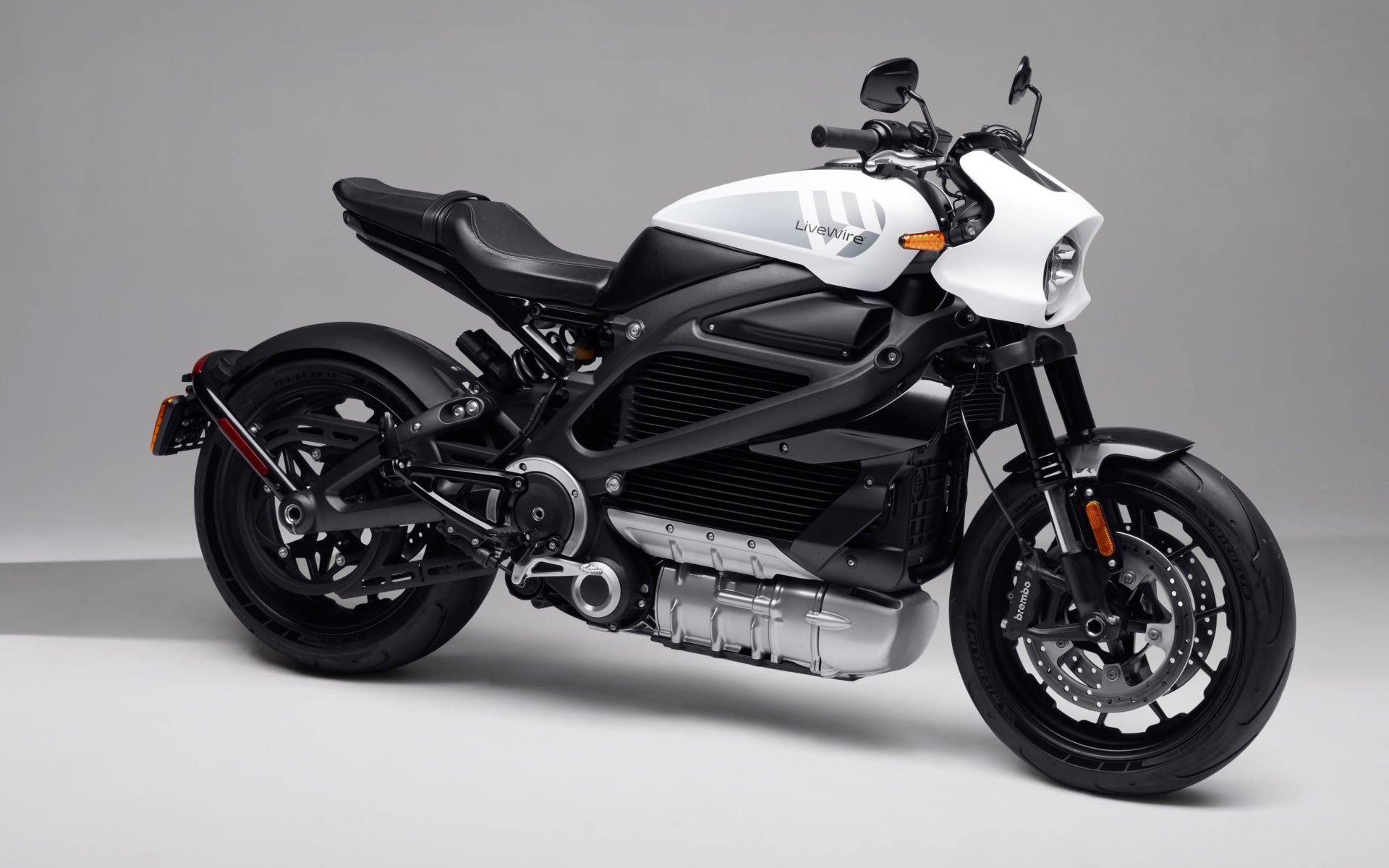
/cloudfront-us-east-1.images.arcpublishing.com/octane/5W36RYAT6BHSBHARBNK6MG62SQ.jpg "New Cruiser Motorcycles For 2024 - Leora Noelani")
Proper chain tension is critical for optimal motorcycle performance and longevity. A correctly adjusted chain runs smoothly, minimizing wear on the sprockets and other components, and ensuring consistent power delivery. Incorrect tension, whether too loose or too tight, can lead to significant issues, including premature wear, damage, and even safety concerns. This section details the process of adjusting chain tension, addressing common causes of problems, and methods for identifying and correcting misalignment.
Methods for Adjusting Chain Tension
Correct chain tension is essential for smooth operation and extended component life. Incorrect tension can lead to premature wear, noisy operation, and potential damage. The appropriate adjustment method varies based on the specific motorcycle model and the manufacturer's recommendations. Tools such as chain adjusters, chain tensioners, or even specialized wrenches may be required.
Importance of Proper Chain Tension
Proper chain tension ensures smooth operation and extends the life of the chain and sprockets. A correctly tensioned chain minimizes friction, reducing wear and tear. Excessive slack can cause the chain to skip or jump, potentially damaging sprockets and affecting performance. Conversely, excessive tension can cause excessive stress on the components, leading to premature wear. Maintaining the recommended tension is crucial for optimal performance and safety.
Common Causes of Chain Slack or Excessive Tension
Several factors can contribute to chain slack or excessive tension. These include wear and tear on the chain itself, changes in the components' condition (such as the sprockets), and even the environment in which the motorcycle is operated. Rider-related factors, such as improper handling or incorrect riding habits, may also affect chain tension.
Procedure for Adjusting Chain Tension
A systematic approach is crucial for adjusting chain tension, ensuring the chain is properly aligned with the sprockets. This procedure provides a detailed Artikel for achieving optimal chain tension, preventing premature wear, and maintaining consistent performance.
- Preparation: Ensure the motorcycle is securely supported on a stand. Gather the necessary tools and familiarize yourself with the specific adjustment mechanism for your motorcycle model.
- Locating the Adjustment Points: Identify the chain adjustment points on the motorcycle. These locations may vary depending on the specific model and design.
- Checking Initial Tension: Assess the current chain tension. If the chain has excessive slack, adjust accordingly. If it is too tight, the opposite adjustment will be necessary.
- Adjusting the Chain Tension: Carefully adjust the chain tensioning mechanism using the appropriate tools. Follow the manufacturer's recommendations for the precise amount of tension. This step is crucial for achieving the correct tension.
- Checking Chain Alignment: Inspect the chain alignment. The chain should run smoothly and evenly across both sprockets. Uneven wear or misalignment indicates the need for further adjustment.
- Final Verification: After the adjustment, recheck the chain tension. The chain should be neither too loose nor too tight. A well-maintained motorcycle chain ensures consistent performance and safety.
Identifying and Rectifying Chain Misalignment Issues
Chain misalignment is a significant issue that can lead to premature wear and damage. It is crucial to identify and rectify any misalignment issues promptly. Common indicators include noticeable chain movement, uneven wear patterns on the sprockets, and excessive noise.
- Visual Inspection: Carefully examine the chain for any noticeable deviations or misalignments. Observe the alignment of the chain with the sprockets. Uneven wear patterns on the sprockets can be a telltale sign of misalignment.
- Checking Sprocket Alignment: Verify the sprockets' alignment. Any misalignment will affect the chain's proper functioning and increase wear.
- Adjusting Sprocket Position: If misalignment is detected, carefully adjust the sprocket position using the appropriate tools. The goal is to ensure the chain runs smoothly and evenly across both sprockets.
Chain Replacement
Replacing a motorcycle chain is a crucial maintenance task that ensures optimal performance and longevity. A worn or damaged chain can lead to reduced acceleration, increased noise, and potentially dangerous chain slippage, requiring swift and careful attention. This process, while potentially daunting for beginners, is manageable with the right tools and a methodical approach. Proper chain replacement ensures smooth operation and prolongs the life of your motorcycle's drivetrain.
Correct Chain Selection
Selecting the appropriate chain size and type is paramount for a successful replacement. Incorrect selection can lead to misalignment, premature wear, and ultimately, component damage. Refer to your motorcycle's owner's manual for the precise specifications of the recommended chain size and type. Factors such as the motorcycle's model, engine size, and intended use will influence the optimal chain choice.
Using a chain that is too large or too small for the sprockets can lead to various issues.
Removing the Old Chain
Properly removing the old chain is a critical step in the replacement process. Improper removal can damage sprockets, and the incorrect chain tension can cause further issues. Following a systematic approach prevents accidental damage and ensures smooth installation of the new chain. The steps involved in removal depend on the specific motorcycle model and the design of the drive system.
Installing the New Chain
Installing the new chain requires careful attention to detail and adherence to a precise sequence. Ensuring the chain's alignment with the sprockets is crucial for optimal performance and longevity. Misalignment can lead to uneven wear, noise, and even catastrophic failure of the drive train. Installing the new chain with the appropriate tension is equally important to ensure the chain runs smoothly without undue stress.
Ensuring Proper Alignment
Precise alignment of the new chain with the sprockets is essential for optimal performance and prevents premature wear. Improper alignment can result in noise, reduced acceleration, and eventual damage to the sprockets. Tools like chain alignment gauges can aid in achieving precise alignment. Proper alignment also minimizes the strain on the chain and sprockets, extending their service life.
Chain Replacement Procedure
| Step | Action | Tools Required | Safety Precautions |
|---|---|---|---|
| 1 | Disconnect the motorcycle's power source and ensure the parking brake is engaged. | None | Disconnect the battery, engage the parking brake, and secure the motorcycle. |
| 2 | Locate and remove the chain guard, if applicable. | Appropriate tools for the guard type | Use appropriate safety gear to prevent injury. |
| 3 | Remove the old chain, following the steps Artikeld in the owner's manual. | Chain breaker tool (if needed), socket wrench | Wear safety glasses and gloves. Use caution when working with the sprockets and other components. |
| 4 | Inspect the sprockets for damage and clean them if necessary. | Cleaning supplies (brush, solvent) | Protect yourself from solvent fumes. |
| 5 | Install the new chain, ensuring proper alignment with the sprockets. | Chain alignment tool (if needed), appropriate tools | Be meticulous about alignment. Check for proper tension. |
| 6 | Reinstall the chain guard, if applicable. | Appropriate tools | Use appropriate safety gear to prevent injury. |
| 7 | Adjust the chain tension according to the owner's manual. | Chain tensioner tool, wrenches | Be cautious when adjusting tension. Avoid over-tensioning. |
| 8 | Test the chain operation by running the engine briefly. | None | Ensure all components are secured and the motorcycle is stable before starting. |
Troubleshooting Common Issues
Proper motorcycle chain maintenance is crucial for optimal performance and longevity. Ignoring issues can lead to costly repairs and even safety hazards. This section details common chain problems, their causes, symptoms, and solutions. Understanding these issues will empower you to address them proactively and maintain your motorcycle's drivetrain.Troubleshooting involves identifying the root cause of a problem. This is often achieved through careful observation of symptoms and considering potential contributing factors.
Effective solutions require a combination of accurate diagnosis and appropriate corrective actions. A well-maintained chain is a vital component for a reliable and safe motorcycle.
Common Chain Problems
A well-maintained motorcycle chain is essential for efficient power transmission. Problems can arise from improper lubrication, incorrect tensioning, or inadequate cleaning. Recognizing these issues early is key to preventing more significant problems.
Table of Common Chain Problems
| Problem | Cause | Symptoms | Solutions |
|---|---|---|---|
| Chain Stretching | Insufficient lubrication, improper chain tension, excessive load, or poor quality chain. | Increased chain slack, reduced acceleration, and potential gear slippage. The chain may also exhibit noticeable wear or elongation. | Adjust chain tension. Ensure proper lubrication. If stretching is significant, replace the chain. |
| Chain Binding | Incorrect chain adjustment, foreign objects caught in the chain, or excessive wear on sprockets and chain. | Difficulty in shifting gears, or complete inability to shift, loud noises from the chain and sprockets. The chain may exhibit obvious damage or distortion. | Thoroughly clean the chain. Check and adjust chain tension. Replace worn sprockets. Remove any foreign debris or objects. |
| Chain Noise | Loose or damaged chain, worn sprockets, or incorrect chain tension, lack of proper lubrication. | Loud clicking, rattling, or grinding noises emanating from the chain and sprockets during operation. | Inspect chain for damage. Adjust chain tension. Ensure adequate lubrication. Replace worn sprockets. |
| Chain Wear | Insufficient lubrication, improper tension, aggressive riding conditions, or low-quality chain. | Visual inspection will reveal noticeable wear patterns, like stretched or broken links, rough surface textures, or visible wear on the chain rollers. | Clean the chain. Adjust chain tension. Apply a proper lubricant. Replace the chain if excessive wear is noted. |
Preventing Chain Problems
Regular maintenance is critical in preventing chain issues. Establish a consistent lubrication schedule, ensuring the chain is properly lubricated. Correctly adjusting the chain tension is vital to maintain optimal performance and prevent binding or stretching. Always inspect the chain for any signs of wear or damage after riding in challenging conditions.
Seeking Professional Assistance
If you encounter problems beyond your ability to diagnose or fix, seeking professional motorcycle repair assistance is highly recommended. A qualified mechanic can provide a thorough inspection, accurate diagnosis, and appropriate repairs. They have the expertise and tools to address complex issues effectively. This is especially important for safety and avoiding further damage.
Closing Summary
In conclusion, this comprehensive guide to motorcycle chain maintenance for beginners equips riders with the knowledge and skills to keep their chains in optimal condition. By understanding the crucial steps in cleaning, lubrication, adjustment, and replacement, riders can ensure the longevity and performance of their motorcycles. Remember to prioritize safety and seek professional assistance when needed. With practice and adherence to these guidelines, you'll be well on your way to maintaining a well-functioning and safe motorcycle.

Post a Comment for "Motorcycle Chain Maintenance for Beginners A Comprehensive Guide"
Post a Comment