Motorcycle Wont Start, But Has Power
A motorcycle refusing to start, despite exhibiting signs of power, presents a common yet perplexing issue. This comprehensive guide delves into the various potential causes, ranging from electrical system malfunctions to fuel delivery problems, and even touches on the impact of environmental factors. By systematically addressing each possible culprit, we aim to equip you with the knowledge needed to diagnose and resolve this frustrating predicament.
The detailed examination of the electrical system, fuel system, starting system, and other potential factors will provide a comprehensive understanding of the multifaceted nature of motorcycle starting issues. This analysis will cover a broad spectrum of potential problems, from the simplest to the most intricate. Further, the discussion will encompass specific model-related troubleshooting and the unique effects of weather conditions on a motorcycle's performance.
Ultimately, this approach equips you to pinpoint the precise cause of the starting problem.
Electrical System Issues
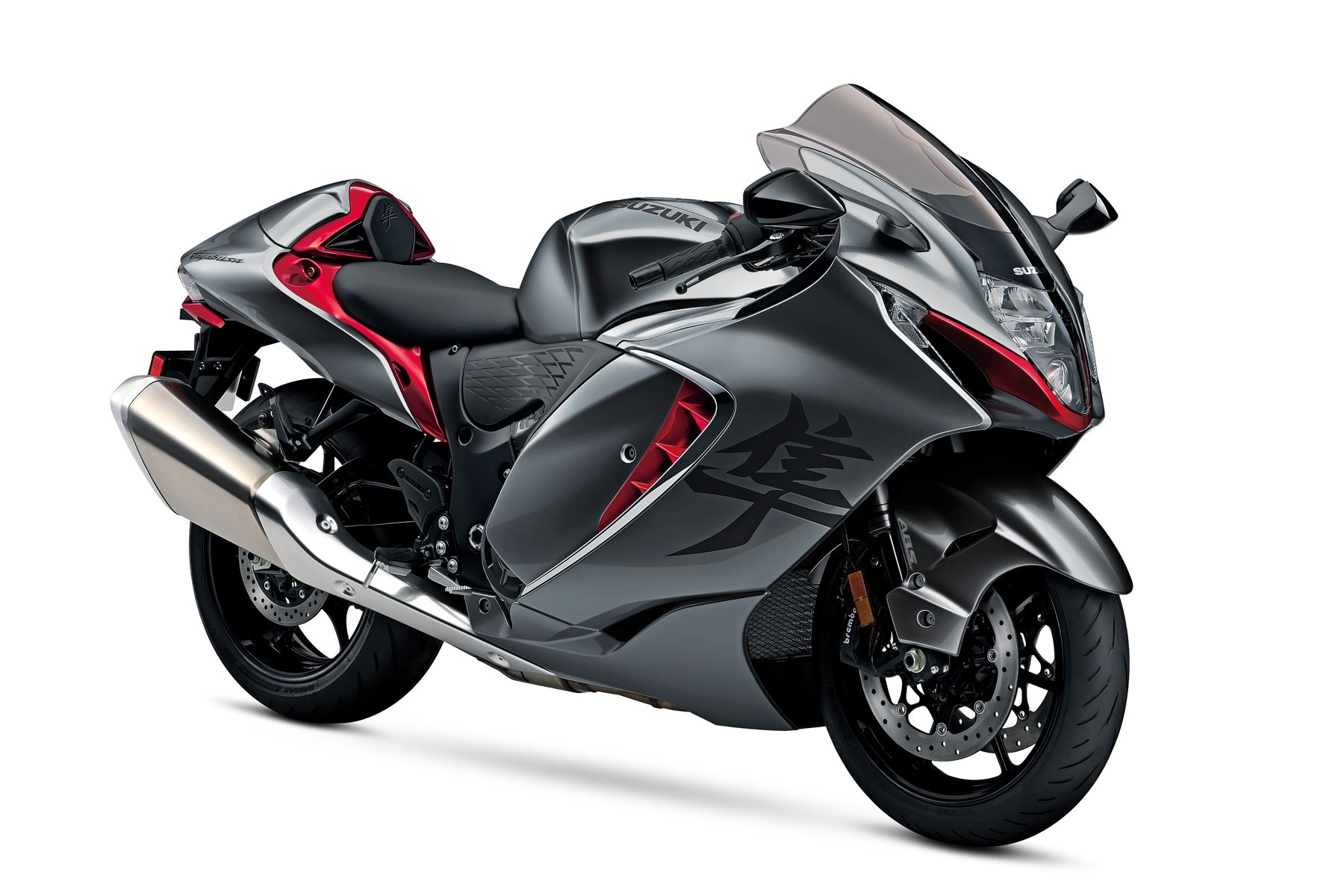
A motorcycle's electrical system is crucial for starting and operating. If your motorcycle has power but won't start, electrical issues are a prime suspect. This section details common problems and troubleshooting steps.Common electrical problems can prevent a motorcycle from starting despite having power. These issues range from simple connections to more complex components. A thorough understanding of the system's workings is essential to pinpoint the fault.
Ignition System Malfunctions
The ignition system is responsible for delivering the spark needed to ignite the fuel-air mixture. Malfunctions in this system can prevent the engine from firing. Common culprits include issues with the ignition switch, ignition coil, and spark plugs.
- Ignition Switch Problems: A faulty ignition switch can prevent the electrical current from reaching the other components. This can manifest as a failure to energize the starter motor, the ignition coil, or other essential circuits. A simple check of the switch's connections and the integrity of the wiring leading to it can often resolve this issue. Incorrectly wired or corroded connections are typical culprits.
- Ignition Coil Issues: The ignition coil transforms the low-voltage power from the battery into the high-voltage spark needed to ignite the fuel-air mixture. A damaged or faulty ignition coil may produce an inadequate spark, preventing the engine from starting. Symptoms might include a weak spark, inconsistent starting, or no spark at all. Resistance testing can verify the coil's functionality.
- Spark Plug Problems: Faulty spark plugs can lead to misfires or no spark at all. Spark plug issues can range from worn electrodes to poor insulation. A visual inspection of the spark plugs can reveal signs of damage. Checking the spark plug gap is crucial. If a spark plug is found to be faulty, replacing it is usually necessary.
Battery, Starter Motor, and Charging System Problems
A faulty battery, starter motor, or charging system can prevent the engine from turning over or cause other electrical system problems.
- Battery Issues: A weak or dead battery is a frequent cause of starting problems. A battery's voltage may be insufficient to energize the starter motor. Checking the battery's voltage with a multimeter is a critical first step. The battery's terminals should be clean and tight. If the battery is indeed the problem, it must be replaced.
- Starter Motor Problems: The starter motor is responsible for turning the engine over to initiate the combustion process. A faulty starter motor may fail to engage or rotate the engine. Testing the starter motor's engagement, with the use of a multimeter, is a key step to diagnose the problem.
- Charging System Malfunctions: A failing charging system can result in a low battery charge, leading to insufficient power for the starter motor and other components. A charging system's health should be checked with a multimeter, confirming the alternator's output. A faulty regulator or a problem with the wiring can also be the cause.
Testing Electrical Components
Proper testing of electrical components is essential to accurately diagnose problems. A multimeter is a valuable tool for this process.
- Battery Voltage: Use a multimeter to measure the battery voltage. A healthy battery should have a voltage above 12.6V when the motorcycle is not running.
- Ignition Coil Resistance: Measure the resistance across the ignition coil's primary and secondary windings to determine if they are within the manufacturer's specifications.
- Spark Plug Gap: Ensure the spark plug gap is correct. An incorrect gap can prevent a proper spark.
- Starter Motor Resistance: Test the starter motor's resistance. High resistance indicates a potential problem.
Symptom Comparison Table
| Symptom | Possible Cause | Troubleshooting Steps |
|---|---|---|
| No spark | Faulty ignition coil, spark plugs, ignition switch, or wiring issues | Check spark plug gap, inspect spark plugs for damage, test ignition coil, and verify wiring connections. |
| Weak or inconsistent spark | Faulty ignition coil, spark plugs, or low battery voltage | Test ignition coil, inspect spark plugs, measure battery voltage, and check wiring. |
| Engine cranks but does not start | Weak or dead battery, faulty starter motor, or low fuel levels | Check battery voltage, test starter motor, verify fuel supply. |
| Engine turns over slowly | Weak battery, high resistance in starter motor circuit, or other electrical system problems | Check battery voltage, test starter motor, check wiring connections. |
Fuel System Problems
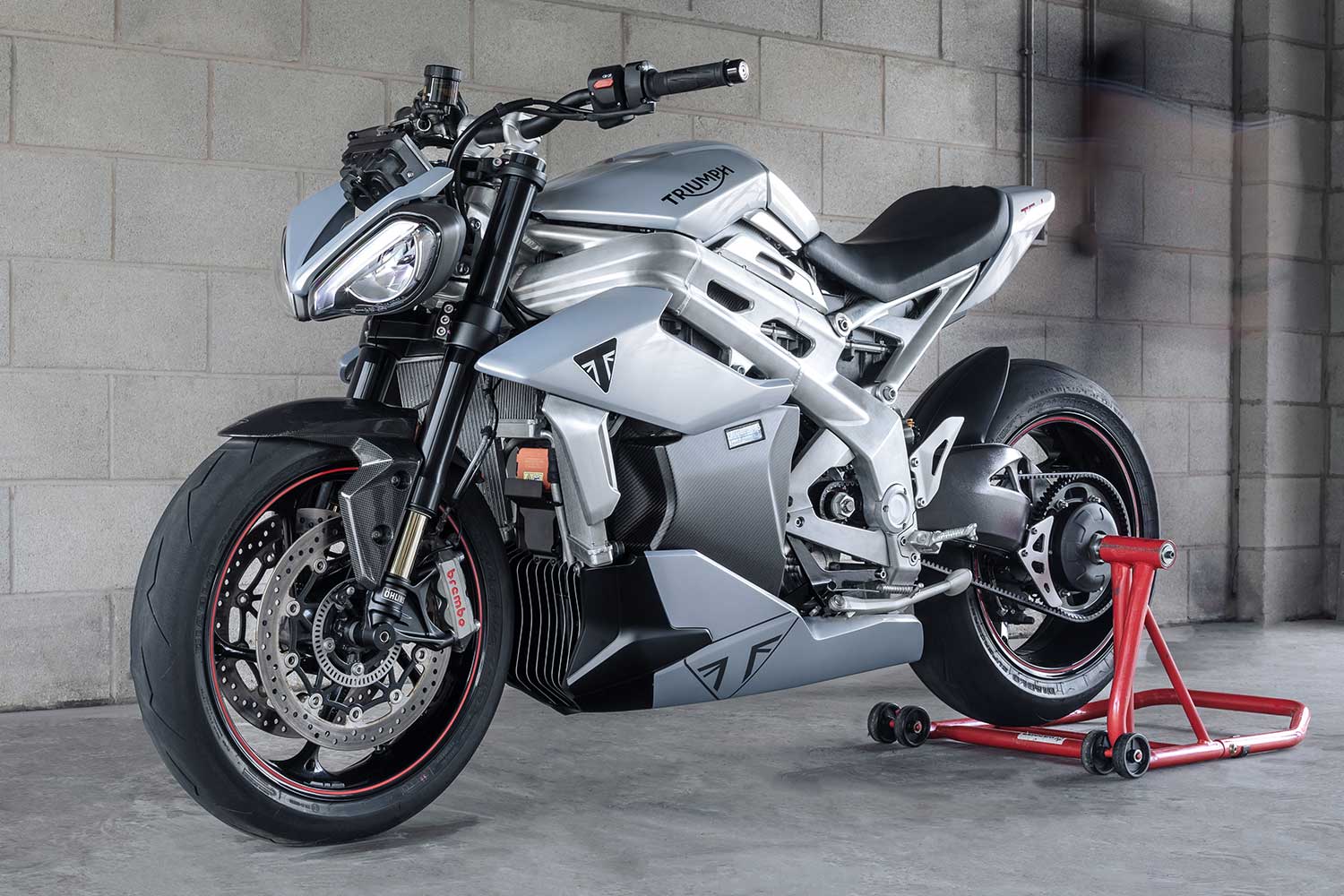
A motorcycle that has power but won't start may have a problem with its fuel delivery system. This system, crucial for combustion, involves a complex interplay of components, and malfunctions in any part can prevent the engine from firing. Proper diagnosis and troubleshooting of fuel system issues are essential to restore the motorcycle's functionality.
Fuel Pump Issues
The fuel pump is responsible for drawing fuel from the tank and delivering it under pressure to the engine. A faulty fuel pump may not generate enough pressure, leading to insufficient fuel delivery, and ultimately, starting problems. Other potential issues include a fuel pump that doesn't run at all or runs intermittently, or a fuel pump that produces a clicking or whirring sound instead of the usual smooth running.
Fuel Lines and Carburetor Problems
Fuel lines can become obstructed by debris, kinks, or corrosion, hindering fuel flow. This obstruction can impede the flow of fuel to the engine, preventing proper combustion. Similarly, problems with the carburetor, a device that mixes fuel and air, can disrupt the precise fuel-air ratio. A malfunctioning carburetor can lead to an incorrect fuel mixture, affecting the engine's ability to ignite and run smoothly.
Fuel Filter Clogging
A clogged fuel filter prevents clean fuel from reaching the engine. This can result in a lean or rich fuel mixture, which affects combustion and starting. A clogged fuel filter can cause the engine to struggle to start, sputter, or even fail to start altogether. A build-up of dirt and debris in the filter can also lead to other issues like reduced engine performance.
Incorrect Fuel Mixture
An improper fuel-air mixture is detrimental to engine operation. If the mixture is too lean, there's insufficient fuel to support combustion, while a rich mixture can lead to incomplete combustion. Both scenarios can hinder starting and cause sputtering or hesitation. These issues can often be related to a faulty carburetor, sensor problems, or issues with the fuel injectors.
Low Fuel Level
A critically low fuel level can prevent the engine from receiving the necessary fuel to ignite. This is a straightforward cause of starting problems, especially in motorcycles that use carburetors. The fuel delivery system can only provide fuel to the engine if there is enough fuel in the tank.
Fuel Pump Testing
Testing the fuel pump involves verifying its functionality and the pressure it produces. Firstly, verify that the fuel pump is getting power by checking the voltage at the pump's electrical connections. Secondly, check the fuel pressure at the fuel rail using a pressure gauge. This process ensures that the fuel pump is working as expected and delivering the necessary pressure for fuel delivery.
Fuel Pressure Testing
Measuring fuel pressure is a crucial step in diagnosing fuel delivery issues. Using a fuel pressure gauge, connect it to the fuel rail, and start the motorcycle. Ensure that the fuel pressure is within the manufacturer's specifications, as indicated in the motorcycle's manual. This process will help identify if the fuel pump is functioning properly.
Fuel Leaks
Fuel leaks can severely affect a motorcycle's starting ability. Leaks can result from damaged fuel lines, faulty fuel pump seals, or issues with the carburetor. The presence of fuel leaks often indicates that fuel isn't reaching the engine, resulting in a lack of combustion. A fuel leak can also cause environmental concerns and may require immediate attention.
Troubleshooting Table
| Problem | Symptoms | Possible Solutions |
|---|---|---|
| Fuel Pump Malfunction | No fuel delivery, clicking/whirring sound, erratic starting | Replace fuel pump, check wiring, inspect relay |
| Clogged Fuel Filter | Difficult starting, sputtering, poor performance | Replace fuel filter, clean fuel filter |
| Incorrect Fuel Mixture | Engine hesitation, sputtering, rough idle | Adjust carburetor settings, check fuel injectors |
| Low Fuel Level | Engine won't start, sputtering | Fill fuel tank |
| Fuel Leaks | Fuel residue, noticeable smell, loss of fuel | Inspect and repair damaged fuel lines, check fuel pump seals |
Starting System Issues

Troubleshooting a motorcycle that won't start but has power, after ruling out electrical and fuel system problems, often leads to examining the starting system. This system, crucial for ignition, comprises the starter motor, solenoid, and associated wiring. Understanding the potential issues within this system is vital for accurate diagnosis and effective repair.Identifying the precise problem within the starting system requires a methodical approach.
Symptoms can vary, from a complete lack of cranking to a weak or sputtering rotation. Careful observation of these symptoms, combined with appropriate testing procedures, can pinpoint the source of the issue.
Starter Motor Malfunctions
The starter motor is responsible for turning the engine over. Common problems include a damaged internal component, such as a worn-out armature or brushes, resulting in a weak or non-functional starter. A failing starter motor might also exhibit intermittent or inconsistent cranking. The motor may sound noisy or produce unusual grinding noises.
Solenoid Malfunctions
The starter solenoid is an electro-mechanical switch that engages the starter motor. Malfunctions can range from a failure to engage the starter to a clicking sound instead of a complete engagement. This clicking noise often indicates a problem with the solenoid's electrical contacts or internal components. A faulty solenoid might also produce a complete lack of starter engagement, even with power.
Symptom Comparison: Weak Starter vs. Faulty Solenoid
A weak starter motor will often produce a slow, sputtering cranking sound, sometimes accompanied by a grinding noise. The engine may not turn over at all or it may sputter and stall. A faulty solenoid, on the other hand, might produce a clicking sound instead of the engaging sound and the engine will not turn over. The clicking sound usually indicates a problem with the electrical circuit or internal components within the solenoid.
Testing the Starter Motor and Solenoid
Testing these components involves checking the voltage supply to the solenoid and starter motor. A multimeter is essential for these checks. The procedure involves measuring the voltage across the starter motor terminals. A weak or no voltage reading indicates a possible issue with the battery or the wiring between the battery and starter. A complete lack of voltage to the solenoid or starter motor indicates a wiring problem.
If the voltage is present, the next step involves checking the resistance of the starter motor and solenoid using a multimeter. Resistance readings outside the expected range can indicate a problem with the components. A failed starter motor or solenoid will often show abnormal resistance readings, and it is important to consult a repair manual for specific expected resistance values.
Faulty Starter Gear and Starter Teeth
A faulty starter gear or damaged starter teeth can prevent proper engagement with the flywheel. This can result in a complete inability to crank the engine or a loud grinding noise during cranking. The gear and teeth are critical components that need to engage and mesh correctly for the starter motor to rotate the engine. Damage or wear in these areas can significantly hinder starting.
Potential Starting System Problems
| Component | Possible Problems | Symptoms | Solutions |
|---|---|---|---|
| Starter Motor | Worn brushes, damaged armature, internal short circuits | Weak or sputtering cranking, grinding noises, no cranking | Replacement of the starter motor |
| Starter Solenoid | Damaged contacts, internal short circuits, wiring issues | Clicking sound instead of engaging, no cranking, intermittent cranking | Replacement of the solenoid, repair or replacement of wiring |
| Starter Gear | Worn teeth, damaged gear, misalignment | Grinding noise, no cranking, difficulty engaging | Replacement of the starter gear, repair of misalignment issues |
Other Potential Causes
This section explores potential causes of a motorcycle's failure to start, excluding issues directly related to the electrical or fuel systems. These can often be overlooked but are crucial to consider when troubleshooting. Careful inspection and testing are vital to pinpoint the problem.Many motorcycle malfunctions can arise from issues within the wiring harness and associated components. Poor connections, damaged insulation, or corrosion can disrupt the flow of electricity, preventing the starter motor from activating, or other critical functions from performing as expected.
Similarly, problems with the starter clutch or kill switch can also lead to a no-start condition.
Wiring Harness and Connector Issues
Damaged or corroded wiring and connections within the motorcycle's harness can lead to intermittent electrical issues, resulting in the motorcycle not starting. Faulty connections may appear normal at times, only failing when under stress. Examine all wiring for signs of damage, such as frayed insulation, exposed wires, or broken strands. Corrosion at the connections can also create a resistance that prevents the system from operating correctly.
Checking for Loose or Corroded Connections
Thorough inspection is essential. Begin by visually inspecting all wiring harnesses and connections. Look for any signs of damage, such as frayed insulation, exposed wires, or broken strands. Next, carefully check all terminals and connectors for corrosion, which can be identified by a greenish or brownish discoloration. Use a wire brush to clean the terminals and connectors to remove any corrosion.
Tighten any loose connections with appropriate tools, ensuring secure connections without excessive force. If a connection appears severely damaged, it may need replacement.
Starter Clutch Issues
The starter clutch is a crucial component of the starting system. If the starter clutch is malfunctioning, it may not engage the engine properly, leading to the motorcycle failing to start. This can manifest as a clicking sound when attempting to start. In cases of extreme wear or damage, the clutch may not engage at all, resulting in a complete inability to start the bike.
Kill Switch Issues
The kill switch is a safety device that interrupts the power to the engine. If the kill switch is faulty, it may not properly disconnect the power supply, preventing the engine from starting. A faulty kill switch may also cause the motorcycle to unexpectedly shut off while running.
Table of Potential Starting Problems (Non-Electrical/Fuel Related)
| Potential Cause | Symptoms | Troubleshooting Steps |
|---|---|---|
| Damaged or corroded wiring harness | Motorcycle fails to start, erratic operation, or intermittent electrical issues. | Visually inspect wiring, clean connections, replace damaged sections if necessary. |
| Faulty starter clutch | Clicking sound when attempting to start, or complete inability to engage the engine. | Inspect the starter clutch for wear, replace if necessary. |
| Malfunctioning kill switch | Motorcycle fails to start, or unexpected shut-off while running. | Test the kill switch's operation, replace if faulty. |
| Low battery | Motorcycle may not start or have weak spark. | Charge the battery, check battery terminals for corrosion. |
Motorcycle Specifics

Diagnosing a motorcycle that won't start despite having power requires a nuanced approach. Different motorcycle models, even from the same manufacturer, can exhibit varying starting characteristics and electrical systems. Understanding these specifics can significantly aid in isolating the problem and directing troubleshooting efforts. This section delves into the importance of model-specific diagnostics, outlining procedures and considerations for various makes and models.Troubleshooting a motorcycle's starting problem requires a systematic approach.
Knowing the specific model and its unique design elements is crucial. Different models employ varying starting mechanisms and electrical systems. The procedures for troubleshooting these systems can differ based on the specific design, and a generalized approach may not be effective.
Motorcycle Model-Specific Troubleshooting
Troubleshooting for specific models necessitates a deep dive into the unique aspects of each motorcycle's design. Knowing the specific model and its unique design elements is crucial for effective troubleshooting. Common starting problems, such as faulty starter motors, ignition systems, or electrical components, can vary in manifestation depending on the motorcycle's architecture. This section presents examples of different motorcycle models and the specific troubleshooting procedures they may require.
Honda Models
- Honda CBR650R: This model often exhibits starting issues due to a faulty starter relay or a weak battery. Checking the battery's voltage, testing the starter relay, and inspecting the wiring for any loose connections are key steps. If the problem persists, a detailed inspection of the ignition system is necessary. The CBR650R's ignition system is relatively straightforward, allowing for a systematic evaluation of the entire system.
A faulty ignition coil or module could also cause starting problems. Troubleshooting should also include a visual inspection of the fuel delivery system to rule out potential problems like clogged fuel lines or a malfunctioning fuel pump.
- Honda Goldwing: The Goldwing's large, complex electrical system and sophisticated engine require more extensive testing. Start by checking the battery and charging system. The intricate wiring and numerous components necessitate careful diagnostics. A thorough examination of the starter motor and solenoid is essential. Troubleshooting a Goldwing requires specific tools and experience due to the complexity of the electrical and fuel systems.
Yamaha Models
- Yamaha R6: This sportbike often experiences starting problems due to low battery voltage or a faulty ignition module. A multimeter is vital for checking voltage readings at various points in the ignition circuit. The R6's ignition system is designed for high-performance applications, demanding careful evaluation of the ignition system's components.
- Yamaha MT-09: The MT-09's fuel injection system can cause starting difficulties if the fuel pump isn't functioning correctly. Inspect the fuel lines and ensure proper fuel flow to the engine. Diagnosing starting issues on the MT-09 requires attention to both the electrical and fuel systems. A thorough inspection of the ignition system's components is essential, including the ignition coil, CDI module, and spark plugs.
Identifying Model-Specific Issues
- Comparing Troubleshooting Steps: Comparing troubleshooting steps across different models can reveal commonalities and variations. For example, checking battery voltage is a universal first step, but the specific procedures for testing the ignition system might differ based on the model.
- Engine and Electrical System Design: The specific design of a motorcycle's engine or electrical system can significantly affect the starting process. A bike with a complex fuel injection system will require different diagnostics compared to a carburetor-based model. Engine design elements such as the starter motor's configuration or the ignition system's layout can affect the starting process.
Environmental Factors
Weather conditions can significantly impact a motorcycle's ability to start, affecting various components from the battery to the fuel system. Understanding these influences is crucial for proactive maintenance and troubleshooting when a motorcycle won't start. This section details how different environmental factors can affect motorcycle starting.Environmental factors, such as extreme temperatures, moisture, and even wind, can disrupt the delicate balance of a motorcycle's electrical and fuel systems, potentially causing starting problems.
This makes understanding how weather affects these systems essential for preventing issues and diagnosing problems.
Temperature Extremes
Temperature fluctuations can significantly affect battery performance and fuel system operation. Extremely low temperatures reduce battery capacity, making it harder to provide sufficient current for cranking the engine. This is because cold temperatures reduce the mobility of the ions within the battery, hindering the flow of electrical charge. Similarly, extremely high temperatures can also negatively impact the battery by increasing the rate of chemical reactions, which can lead to reduced lifespan and reduced output.
The fuel becomes thicker in cold weather, making it harder to flow to the engine. Conversely, in high temperatures, the fuel can evaporate more quickly. Both situations can lead to starting difficulties. For example, in frigid temperatures, a battery that previously functioned adequately might struggle to provide the necessary current to turn the engine over.
Moisture and Humidity
Moisture and humidity can cause corrosion on electrical components, such as terminals, wires, and connectors. This corrosion can hinder the flow of electricity, leading to starting problems. Condensation, especially in enclosed areas, can further exacerbate the problem by creating a conductive pathway for moisture to flow. Prolonged exposure to high humidity can also affect the operation of the fuel injectors, as moisture can lead to issues with fuel delivery.
Storage Considerations
Proper storage is essential for preserving the motorcycle's components and preventing environmental damage. Keeping the motorcycle in a dry, well-ventilated area is crucial to prevent moisture buildup and corrosion. Storing the battery in a charged state can help to minimize the effects of discharging. For example, covering the motorcycle with a waterproof cover can protect it from the elements.
Visual Representation of Weather Impacts
| Weather Condition | Impact on Motorcycle Starting |
|---|---|
| Extremely Low Temperatures | Reduced battery capacity, thickened fuel, potential starting difficulties. |
| High Temperatures | Increased fuel evaporation, potential starting issues, and faster battery degradation. |
| High Humidity | Corrosion on electrical components, potential electrical issues, and starting problems. |
| Heavy Rain | Moisture infiltration, potential electrical issues, and starting problems. |
This table provides a simplified overview of the impacts of various weather conditions on motorcycle starting. A more comprehensive analysis would consider specific motorcycle models and components.
Ultimate Conclusion
In conclusion, a motorcycle that has power but won't start can stem from a multitude of issues, ranging from simple wiring problems to more complex engine or fuel system issues. By systematically investigating the electrical, fuel, and starting systems, along with considering potential environmental factors and specific model characteristics, you can effectively diagnose the root cause. The provided troubleshooting steps and tables offer a structured approach, enabling you to tackle this common motorcycle problem with confidence.
Remember, proper testing and a methodical approach are crucial for successful repair.

Post a Comment for "Motorcycle Wont Start, But Has Power"
Post a Comment